Why Tier-2 Indian Cities Need a Website More Than Metro Businesses
The digital transformation is sweeping across India, but its impact isn't uniform. While metro businesses have long embraced online strategies, companies in Tier-2 Indian cities often overlook the profound advantages a dedicated website offers. Counterintuitively, a compelling online presence is often more critical for these emerging urban centers than for their well-established metro counterparts. This isn't just about catching up; it's about leveraging unique growth dynamics.
By 2023, India's internet user base surpassed 820 million, with over 50% residing in rural and semi-urban areas. This demographic shift, fueled by affordable smartphones and data, is creating an unprecedented digital demand outside the traditional metros. Businesses in cities like Jaipur, Lucknow, Kochi, or Surat are uniquely positioned to capture this burgeoning online audience, often with less competition and greater impact.
India's Digital Shift: A Tier-2 Opportunity
India's digital story is increasingly written by its Tier-2 and Tier-3 cities. The narrative that digital adoption is solely a metro phenomenon is outdated. The next wave of digital growth, estimated to bring internet users to 1.2 billion by 2030, will predominantly come from these evolving urban landscapes.
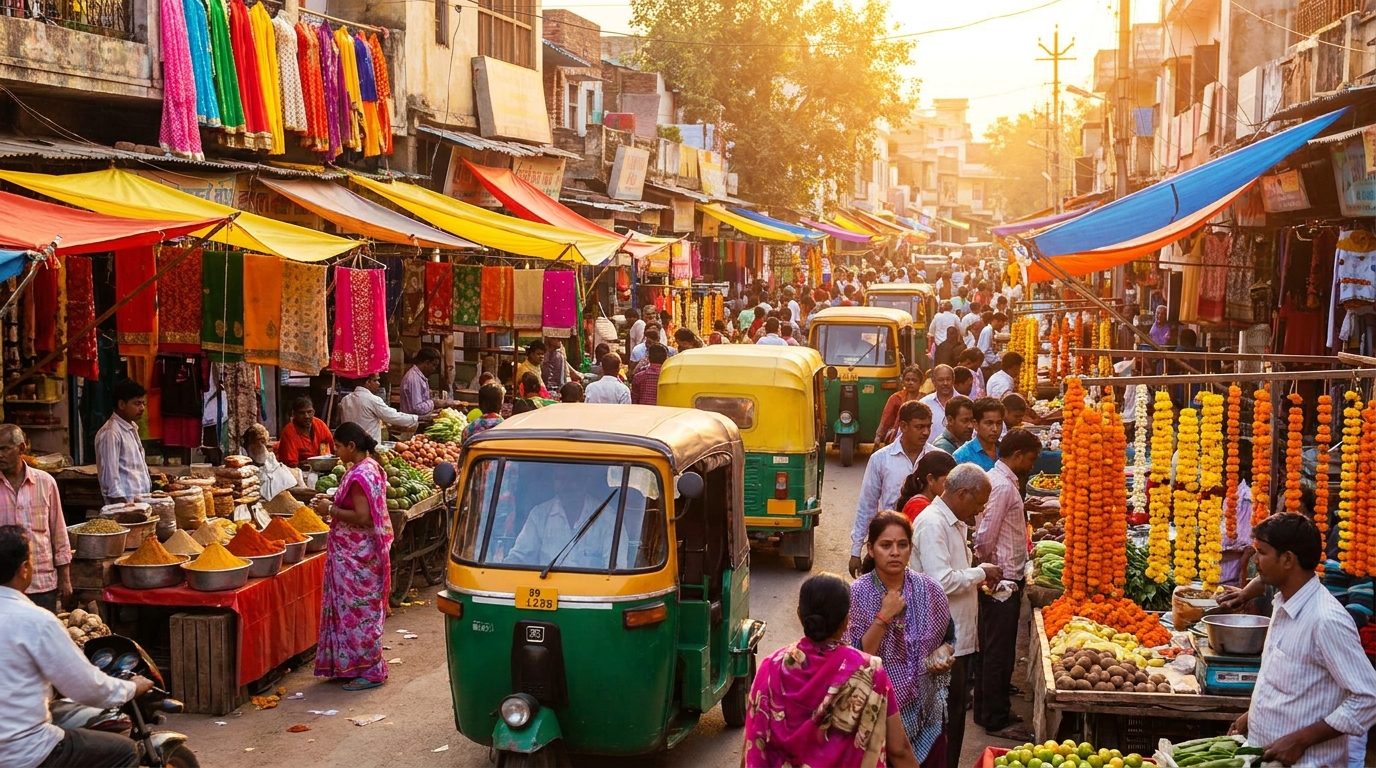
!why tier2 indian cities need a website more than metro businesses, india
The Rise of the Connected Consumer
What drives this shift? Firstly, smartphone penetration is nearing saturation even in smaller cities, putting the internet literally into the hands of millions. Secondly, government initiatives like Digital India continue to expand digital infrastructure, making online access more reliable. This means consumers in Tier-2 cities are increasingly searching for local services, products, and information online, often in vernacular languages. Businesses that fail to meet this demand digitally are simply invisible.
Furthermore, e-commerce adoption in Tier-2 and Tier-3 cities is growing at an estimated 30% annually, significantly outpacing metro growth rates. This indicates a strong willingness among these consumers to transact online, provided they find trustworthy and accessible local options. A well-designed website becomes the primary gateway to capture this evolving market.
The Unfair Advantage of Tier-2 Businesses Online
While metro businesses operate in a highly competitive digital ecosystem, their Tier-2 counterparts enjoy several distinct advantages that make a website a game-changer.
Less Digital Noise, More Visibility
Imagine trying to stand out in a crowded marketplace like Delhi or Mumbai, where every business, from kirana stores to corporate giants, already has a digital footprint. The cost of digital advertising (like Google Ads or social media ads) in metros is significantly higher due to intense competition. In contrast, Tier-2 cities present a relatively less saturated digital landscape. A local business with a professional, SEO-optimized website can achieve significantly higher visibility and organic rankings for relevant keywords with far less effort and expense. This means your website can rank higher for local searches, driving targeted traffic directly to your business. For a deeper dive into optimizing your online presence, explore our Local SEO for Indian Small Businesses: The Complete 2025 Guide.
Building Trust in a Developing Market
In emerging markets, trust is paramount. While metro businesses might rely on brand recognition, businesses in Tier-2 cities often need to actively build credibility. A professional website acts as a digital storefront and a powerful trust signal. It communicates legitimacy, showcases expertise, and provides essential information that a social media page alone cannot. Customers are more likely to engage with a business that has a dedicated online hub, complete with service details, testimonials, and contact information. This is particularly true for service-based businesses like a Financial Advisor Website India: Build the Trust That Gets Clients or a Construction and Civil Contractor Website India: Win Tenders and Private Projects.
Reaching Beyond Local Boundaries
Many Tier-2 businesses, especially manufacturers, artisans, or specialized service providers, have the potential to serve customers beyond their immediate city limits. A website is indispensable for this expansion. It provides a platform to showcase products globally, attract B2B clients, or even cater to customers in larger cities who might be looking for more affordable or unique options. Without a website, these businesses remain confined by geography, missing out on significant growth opportunities.
The Data Advantage
Unlike social media profiles, a proprietary website gives businesses complete control over analytics. You can track visitor behavior, identify popular products or services, understand conversion paths, and refine your marketing strategies. This data-driven approach is often underutilized in Tier-2 cities but offers a clear competitive edge, allowing businesses to make informed decisions and optimize their online efforts for maximum ROI.
The Limitations of Relying Solely on Social Media
Many Tier-2 businesses mistakenly believe that a strong presence on platforms like Instagram or Facebook is sufficient. While social media is valuable for engagement, it has inherent limitations when it comes to building a sustainable, independent digital presence.
* Platform Dependency: Your business is at the mercy of platform algorithms, policy changes, and potential outages. A website is your owned digital real estate.
* Limited Customization: Social media profiles offer minimal branding and design flexibility. A website allows for complete brand expression and a tailored user experience.
* Search Engine Visibility: Social media content rarely ranks high on Google for commercial queries. Websites, especially those optimized for SEO, are crucial for discoverability through search engines.
* Fragmented Information: Essential details like detailed service descriptions, pricing, FAQs, and terms of service are often scattered or hard to find on social media, leading to customer frustration.
* Lack of Direct Lead Capture: While social media offers messaging, a website can integrate sophisticated lead capture forms, booking systems, and e-commerce functionalities for seamless conversions. Learn how to implement this effectively with our guide on How to Add a Contact Form and Capture Leads in Draftly.
Empowering Tier-2 Businesses with Modern Websites
The perception that building and maintaining a professional website is expensive or technically complex is a major barrier for many Tier-2 businesses. However, this is where modern AI website builders like Draftly democratize access to high-quality web design.
Cost-Effectiveness and Speed
Traditional web development can indeed be costly and time-consuming. However, AI website builders dramatically reduce both. A business owner in a Tier-2 city can launch a visually stunning, high-performance website within hours, often for a fraction of the cost of hiring an agency or freelancer. This low barrier to entry means even small-scale enterprises can afford a premium online presence.
Ease of Use and Accessibility
AI website builders require no coding knowledge. With intuitive interfaces and AI-powered content generation, business owners can manage their sites themselves, updating information, adding new products, or running promotions without external help. This self-sufficiency is particularly empowering for businesses in regions where access to specialized web development talent might be limited.
Advanced Features for Differentiation
Even in Tier-2 cities, standing out matters. Modern AI platforms enable businesses to create immersive, cinematic 3D websites that captivate visitors. Imagine a local furniture maker showcasing their craftsmanship with a 3D product view or a regional travel agency offering virtual tours of local attractions. These advanced features, once exclusive to large corporations, are now accessible, allowing Tier-2 businesses to create memorable online experiences that rival those of metro brands.
Local SEO and Vernacular Content
For businesses in Tier-2 cities, local search optimization is paramount. A website provides the ideal platform to implement robust Local SEO for Indian Small Businesses: The Complete 2025 Guide strategies. This includes optimizing for local keywords, creating a Google Business Profile, and gathering local reviews. Furthermore, websites can easily incorporate vernacular language content, tapping into India's vast base of non-English speaking internet users. Our guide on Building a Hindi and Multilingual Website for the Indian Market provides practical steps for this.
Real-World Impact on Tier-2 Sectors
Let's consider how a website specifically benefits various sectors in Tier-2 cities:
Retail and Handicrafts
A boutique clothing store in Lucknow or an artisan selling traditional crafts in Jaipur can transform their reach. A website allows them to showcase their unique products with high-quality images and detailed descriptions, reaching customers across India or even globally, without the overhead of a physical store in a metro. This empowers them to compete with larger brands and preserve local crafts. See how an Artisan and Handicraft Business Website India: Sell Your Craft Online can thrive.
Education and Coaching Centers
Educational institutions in cities like Kota or Pune can attract students from surrounding towns and villages. A website can host course details, faculty profiles, testimonials, and even online enrollment forms. This expands their student base beyond immediate geography, filling batches and building a stronger reputation. For example, a Building a Coaching Institute Website That Fills Batches in India can significantly boost enrollments.
Healthcare Clinics and Hospitals
Local clinics and hospitals in Tier-2 cities can use a website to provide essential information about services, doctors' specialties, appointment booking, and emergency contacts. This builds patient trust and accessibility, reducing reliance on word-of-mouth and reaching a wider patient base in need of reliable healthcare. Refer to our insights on Building Trust Online: Website Best Practices for Clinics and Hospitals in India.
Hospitality and Tourism
Hotels, guesthouses, and local tour operators in scenic Tier-2 destinations like Udaipur or Rishikesh can attract tourists directly. A website with stunning visuals, booking integration, and local information can compete with larger travel platforms, offering a more authentic and direct booking experience. This is especially true when leveraging immersive experiences, as seen in Travel Agencies in India: Build a Website That Gets Bookings.
Manufacturing and Industrial Services
Manufacturers in industrial hubs like Ludhiana or Coimbatore often serve a B2B clientele. A professional website acts as a digital catalog, showcasing product specifications, certifications, and manufacturing capabilities to potential clients across India and internationally. This replaces outdated brochures and allows for efficient lead generation and inquiry management. A Manufacturing Company Website India: Find Buyers, Not Just Traffic can be a powerful tool.
Conclusion: The Time for Tier-2 is Now
The digital divide between metro and non-metro India is rapidly closing, and in many ways, the opportunities in Tier-2 cities are now more pronounced. For businesses in these burgeoning urban centers, a website is no longer a luxury but a fundamental tool for growth, credibility, and competitive advantage. They have the unique chance to establish a strong digital foothold before the market becomes as saturated as the metros. Embracing a professional online presence, particularly with the accessibility and power of AI website builders, is the smartest strategic move for any Tier-2 business looking to thrive in the new digital India.
Ready to elevate your business? Discover how Draftly can help you build a stunning, high-performing website in minutes. Start building your online presence today.