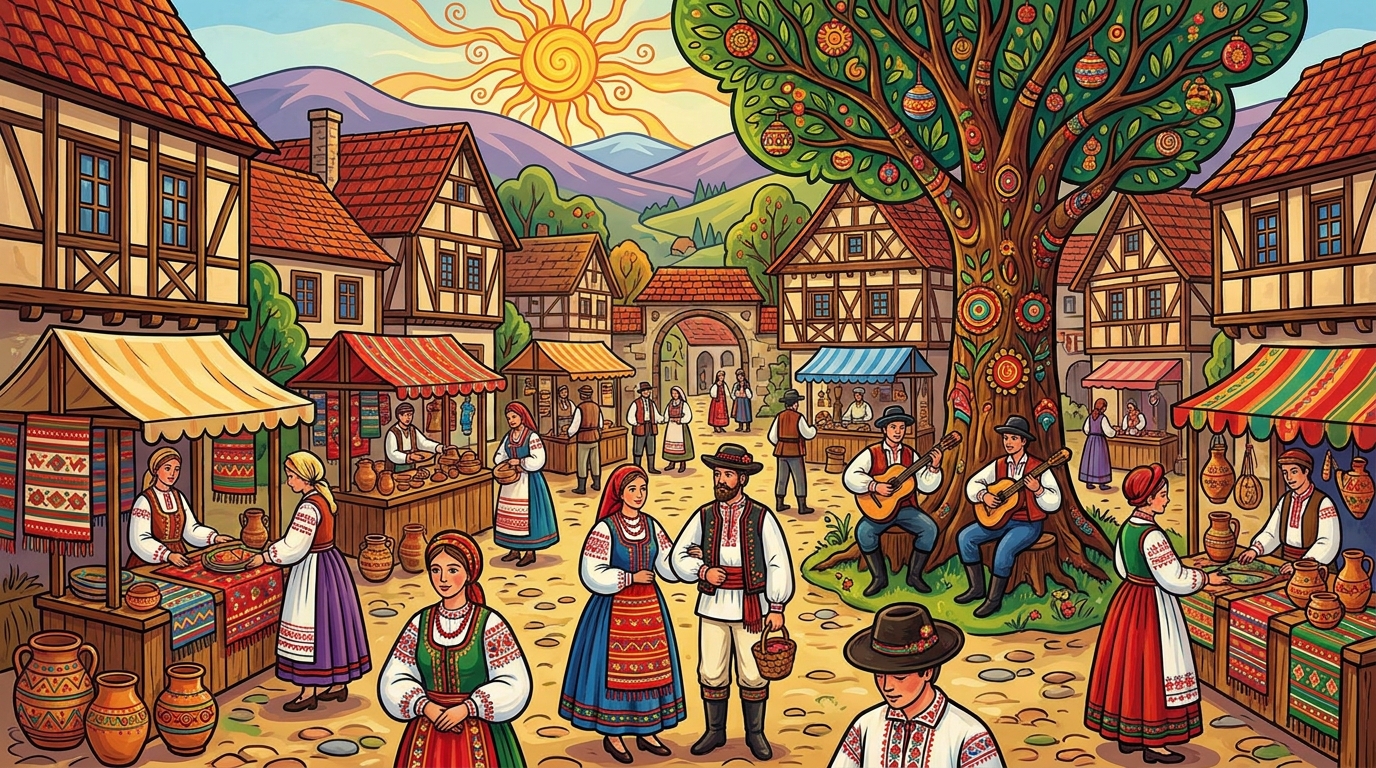
India's digital landscape is undergoing a profound transformation. With over 800 million internet users, it's the second-largest online market globally, and this number is projected to grow significantly, reaching over 1.2 billion by 2030. What's often overlooked is the linguistic diversity within this massive audience. A staggering 70-80% of new internet users in India prefer content in their native languages, not English. For businesses aiming to truly connect and convert customers, simply having an English website is no longer enough. Building a Hindi and multilingual website isn't just an advantage; it's a strategic imperative.
This guide explores why language matters in the Indian market and how modern AI website builders like Draftly empower businesses to create engaging, culturally relevant digital experiences that resonate with a diverse audience.
The Imperative of Multilingual Websites in India
The shift towards regional language content consumption is undeniable. Studies show that Indian internet users spend 2x more time on regional language content compared to English. This preference directly impacts engagement, trust, and ultimately, purchasing decisions. When a user encounters a website in their mother tongue, the connection feels more personal and authentic.
!building a hindi and multilingual website for the indian market, india
Why Language Drives Connection and Conversion
- Enhanced Trust and Credibility: Users inherently trust information presented in their native language more. It signals that a business understands and respects their cultural context.
- Improved User Experience (UX): Navigating a website, understanding product descriptions, or filling out forms becomes effortless, leading to lower bounce rates and higher time-on-site.
- Wider Market Reach: Tapping into the non-English speaking demographic, which includes hundreds of millions of potential customers, dramatically expands your addressable market.
- Better SEO Performance: Google prioritises local relevance. Websites optimised for regional language keywords can rank higher in local search results, capturing highly targeted traffic.
India's Diverse Linguistic Landscape: Beyond Hindi
While Hindi is prominent, India is home to 22 official languages and countless dialects. A truly successful digital strategy often extends beyond just English and Hindi. Businesses must consider which regional languages are most relevant to their target audience and geographical reach. For instance, a business targeting Maharashtra would benefit immensely from a Marathi version of their site, while one in Karnataka would prioritise Kannada.
The challenge traditionally lay in the complexity and cost of developing and maintaining multiple language versions of a website. However, AI-powered tools are changing this dynamic, making multilingualism accessible even for small and medium-sized businesses.
Key Strategies for Building a Multilingual Website
Crafting a website that speaks to diverse Indian audiences requires more than just direct translation. It demands a thoughtful approach to content, technical setup, and user experience.
Content Translation & Localisation
Simply translating text word-for-word can lead to awkward phrasing or cultural missteps. Localisation goes a step further, adapting content to be culturally appropriate and resonant. This includes adjusting idioms, references, and even imagery to suit the target audience.
AI tools can provide a strong first draft for translations, significantly speeding up the process. However, human review by native speakers is crucial to ensure accuracy, nuance, and cultural sensitivity. For deeper insights into content planning, refer to our guide on Content Strategy for Indian Business Blogs: What to Write About in 2026.
Technical Implementation for Multilingual Sites
The technical backbone of a multilingual site is critical for both user experience and search engine visibility:
* URL Structure: Choose a consistent approach. Options include subdirectories (e.g., `yourdomain.com/hi/`), subdomains (e.g., `hi.yourdomain.com`), or separate domains (e.g., `yourdomain.in`). Subdirectories are often preferred for SEO benefits.
* Hreflang Tags: These HTML attributes tell search engines which language and geographical targeting each page is for. Proper `hreflang` implementation prevents duplicate content issues and ensures users see the correct language version in search results. This is a cornerstone of multilingual SEO.
* Language Switchers: A clear and accessible language switcher (e.g., a dropdown menu) is essential for users to toggle between languages easily.
User Experience (UX) Design Considerations
Designing for multilingual audiences in India also means paying attention to user experience details:
* Font Support: Ensure your chosen fonts support Indic scripts (Devanagari for Hindi, Bengali script, Tamil script, etc.). Lack of proper font rendering can make your site unreadable.
* Layout Adjustments: Some languages, when translated, can be significantly longer or shorter than the original, impacting layout. Design with flexibility in mind.
* Mobile-First Approach: Given that over 80% of Indian internet users access the web via mobile devices, a responsive, mobile-first design is non-negotiable for all language versions. Our guide on Mobile-First Web Design in 2026: Why 80% of Your Indian Visitors Are on Their Phone offers further insights.
How Draftly Powers Your Multilingual Indian Website
Draftly, as an AI 3D website builder, significantly simplifies the complexities of creating and managing multilingual websites for the Indian market. Its AI capabilities are particularly powerful for businesses looking to expand their linguistic reach.
Streamlined Multilingual Content Creation
Draftly's AI can generate initial website copy directly in Hindi or other specified languages based on your prompt. This drastically cuts down the time and cost associated with manual translation services. You can then refine this content using Draftly's intuitive editing interface, ensuring it perfectly matches your brand voice and cultural context.
Building a bilingual site is made easier with specific features. For a detailed walkthrough, check out How to Build a Bilingual Hindi-English Website with AI Tools.
Easy Customisation and Management
Once the AI generates your site, you have full control to How to Customise Your AI-Generated 3D Website — Full Guide. This includes:
* Language-Specific Sections: Easily duplicate sections and translate content, maintaining the same engaging 3D visual experience across different language versions.
* Font Integration: Draftly supports a wide range of fonts, allowing you to select those compatible with Indic scripts, ensuring beautiful and readable text for your regional audiences.
* Brand Consistency: Maintain your brand's unique identity across all language variants, from colour palettes to imagery, ensuring a cohesive user experience.
For agencies working with multiple Indian clients, Draftly's platform allows efficient management of various language versions across different projects, streamlining workflows and ensuring brand consistency at scale.
Multilingual SEO for the Indian Market
Effective SEO for a multilingual website in India involves specific strategies to ensure your content ranks for the right audience in their preferred language.
Regional Keyword Research
Keyword research for regional languages is fundamentally different from English. Direct translation of English keywords often doesn't yield the best results because search intent and common phrasing vary significantly. Tools like Google Keyword Planner, Google Trends, and local SEO tools can help identify high-volume, relevant keywords in Hindi and other Indian languages.
Focus on how your target audience actually searches for your products or services in their native tongue, including common misspellings or colloquialisms.
Hreflang Implementation for Google
As mentioned, `hreflang` tags are crucial. They signal to search engines that your various language pages are alternative versions of the same content, preventing them from being seen as duplicates. This ensures that a user searching in Hindi sees your Hindi page, and an English speaker sees your English page.
Draftly's SEO panel simplifies the setup of these critical elements, allowing you to manage meta tags, descriptions, and `hreflang` attributes for each language version of your site. Our Draftly SEO Panel Guide: Optimise Every Page for Search provides a comprehensive overview of how to leverage these features.
Local SEO and Google Business Profile
For businesses with physical locations in India, integrating your multilingual website with a well-optimised Google Business Profile is paramount. Ensure your Google Business Profile listings also include information in relevant regional languages, driving local search visibility and traffic to your localised website pages.
Overcoming Challenges: AI as Your Ally
The traditional challenges of building multilingual websites included high translation costs, lengthy development cycles, and complex maintenance. AI website builders like Draftly directly address these pain points.
| Challenge | Traditional Approach | AI-Powered Solution (Draftly) |
|---|---|---|
| Translation Cost | Expensive human translation services | AI generates first drafts, reducing human effort significantly |
| Development Time | Manual content creation and page duplication | AI creates content and structure rapidly, then easily duplicated for languages |
| Consistency | Difficult to maintain brand voice across languages | AI maintains tone, human review ensures cultural nuance |
| SEO Complexity | Manual `hreflang` setup, separate keyword research | Draftly's SEO panel simplifies `hreflang` and meta-tag management |
By leveraging AI, businesses can launch multiple language versions of their websites faster and more affordably, reaching a broader audience with personalised, engaging content. This empowers even small businesses to compete effectively in India's diverse digital market.
Building a Hindi and multilingual website is no longer a luxury but a necessity for businesses aiming to thrive in the Indian market. The digital user base is growing, and their preference for native language content is clear. By embracing a strategy that prioritises linguistic diversity and leveraging powerful AI website builders like Draftly, businesses can create immersive, culturally relevant online experiences that build trust, drive engagement, and unlock unprecedented growth. Start connecting with all of India today.