Why 3D Visual Storytelling Matters for NGOs Raising Climate Awareness in India
India faces a climate crisis that affects over 1.4 billion people, from rapidly melting Himalayan glaciers to extreme heatwaves in cities like Delhi. For NGOs tackling these challenges, traditional communication methods fall short. 3D visual storytelling emerges as a game-changer, creating emotional, engaging campaigns that inspire action.
The Power of 3D Storytelling: Emotional Resonance
Unlike static graphics or text-heavy content, 3D storytelling immerses viewers in a cinematic narrative. This is particularly impactful for NGOs aiming to convey the urgency of climate change.
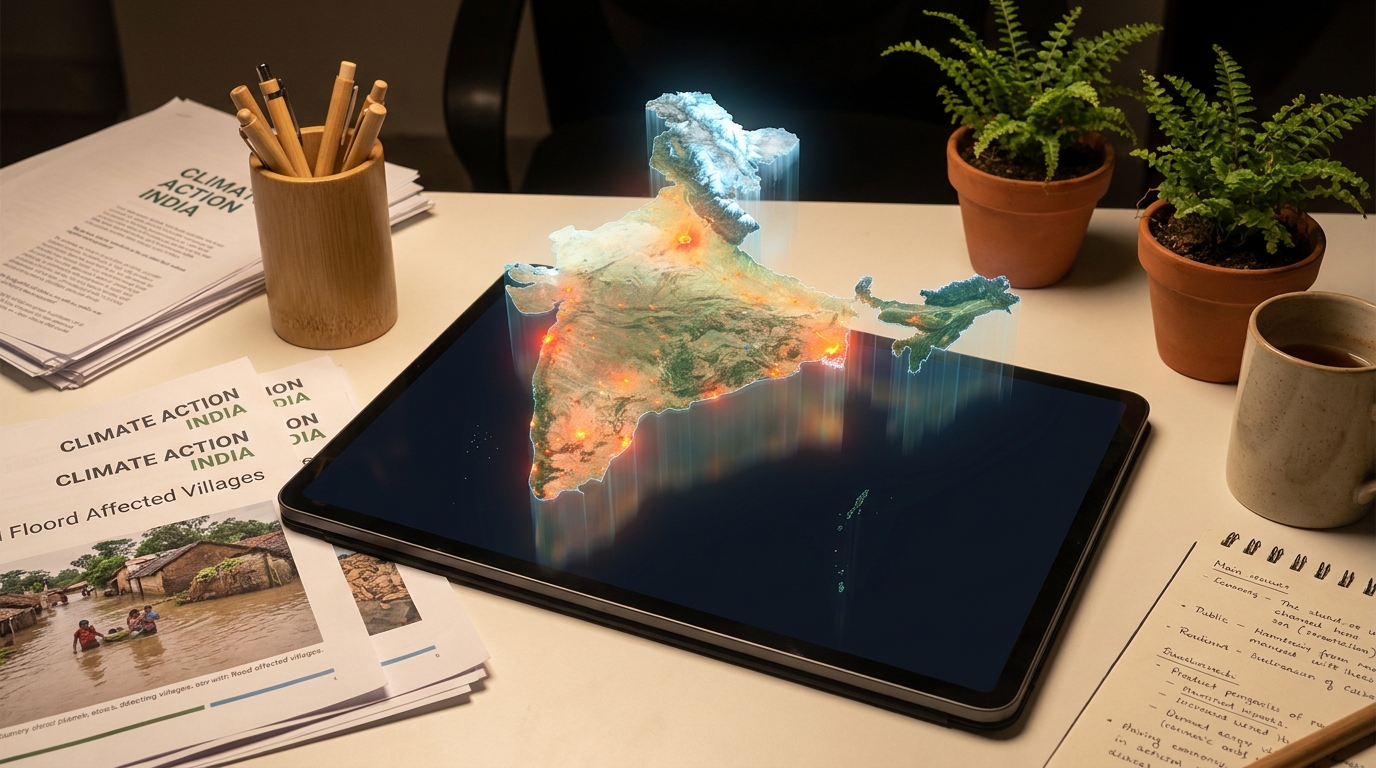
!why 3d visual storytelling matters for ngos raising climate awareness in india, industry
- A 2022 study by Stanford University found that immersive visuals increase viewer engagement by 45% compared to flat media.
- Interactive 3D experiences allow users to explore scenarios, like rising sea levels in Mumbai neighborhoods, making the abstract tangible.
- Viewers retain 90% of information when presented visually, compared to just 10% from text.
Why NGOs in India Need 3D Visuals
India’s diversity in geography, languages, and digital access requires innovative communication tools. Here’s why 3D visuals are essential:
- Localized storytelling: A 3D website can include vernacular content tailored for regions like Tamil Nadu or Assam, increasing relatability.
- Mobile-first engagement: With over 700 million smartphone users, 3D websites optimized for mobile ensure accessibility for rural and urban audiences alike.
- High shareability: Compelling 3D content, such as virtual tours of deforested areas, sees up to 3x higher shares on platforms like Instagram and WhatsApp.
Designing 3D Websites for Climate Campaigns
Creating a 3D website for climate awareness doesn’t require a Hollywood budget. With AI-driven platforms like Draftly, NGOs can design impactful campaigns in days, not months.
Steps to Build an Effective 3D Climate Campaign Website
- Define the narrative: Focus on a single climate issue—such as water scarcity in Rajasthan.
- Use scroll animations: Highlight key stats like “40% of India’s population will face water stress by 2040” with scroll-driven animations.
- Integrate donation triggers: Add scroll-triggered CTAs that prompt visitors to contribute after experiencing a visual story.
- Leverage AI visuals: Tools like Draftly’s AI-powered 3D image generation create custom visuals without expensive graphic designers.
Example Use Case: Flood Simulations in Assam
An NGO could develop a 3D microsite simulating annual Brahmaputra floods. Users could scroll through interactive maps showing affected villages, coupled with testimonials from displaced families. This immersive experience not only educates but also drives urgency for donations.
3D Storytelling Metrics: Why It Works
The impact of 3D storytelling goes beyond aesthetics. Data proves it’s a more effective communication tool:
- Engagement Time: Average time-on-page for 3D websites is 2.5x higher than traditional sites.
- Conversion Rates: Donation pages with interactive visuals see a 30% increase in contributions.
- SEO Boost: Google favors engaging, interactive content, improving your chances of ranking in local searches.
How to Get Started with 3D Storytelling
Ready to transform your climate awareness campaign? Here’s how NGOs can adopt 3D storytelling:
- Start with a pilot project: Choose a single issue and develop a targeted campaign to test engagement.
- Leverage AI tools: Use AI platforms like Draftly to build custom 3D animations and scroll-driven narratives.
- Incorporate accessibility: Ensure your 3D website meets accessibility standards to reach all user groups.