Draftly's 3D Builder vs. Traditional Page Builders: A Feature Breakdown
The digital stage is constantly evolving, demanding more engaging and dynamic online experiences. When comparing Draftly's 3D builder against traditional page builders, the fundamental shift lies in the very nature of the web experience they deliver. While traditional tools offer static, two-dimensional layouts, modern AI 3D website builders like Draftly unlock immersive, scroll-driven narratives that capture attention and drive deeper engagement.
This isn't just about aesthetics; it's about a paradigm shift in how websites are conceived, built, and interact with users. Let's break down the key features and differences.
The Core Difference: Static vs. Immersive 3D Experiences
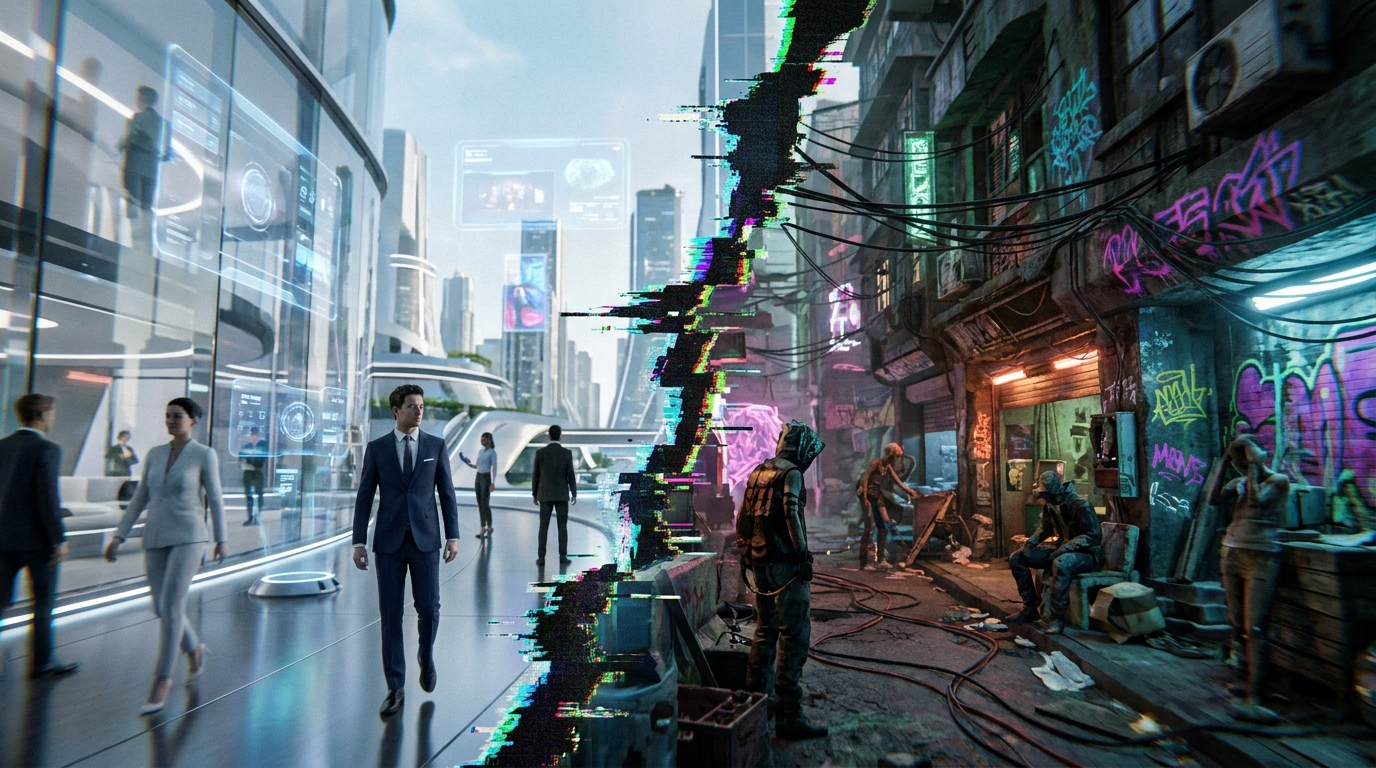
Traditional page builders, like Wix or Squarespace, operate on a 2D canvas. You arrange blocks, images, and text within a fixed viewport. The user experiences a series of distinct sections, often with limited animation or interaction. They excel at straightforward, informational sites but can struggle to convey complex narratives or strong brand emotion.
!draftlys 3d builder vs traditional page builders a feature breakdown, product
In contrast, an AI 3D website builder like Draftly leverages advanced rendering technology to create cinematic, scroll-driven experiences. Instead of static pages, users journey through a dynamic 3D scene that unfolds with their scrolling, creating a memorable and interactive story. This approach significantly boosts dwell time and brand recall.
- Traditional Page Builders: Focus on grid-based layouts, pre-designed templates, and static content blocks. Customization is typically confined to colors, fonts, and image placement within these boundaries.
- Draftly's 3D Builder: Generates an entire 3D scene from a single prompt, offering dynamic camera movements, object animations, and environment transitions that respond to user scroll behavior. This creates a truly unique and interactive user experience.
Design & Visuals: Beyond Flat Templates
The visual impact of your website is often the first impression. Here, the divergence between traditional and 3D builders is stark.
Traditional Page Builders: The Template Trap
Traditional page builders rely heavily on templates and pre-built sections. While this offers quick setup, it often leads to a generic look that struggles to differentiate a brand in a crowded market. Customization, while present, requires manual effort and often involves coding for truly unique elements.
- Limited Uniqueness: Sites often look similar to others built on the same template, hindering brand differentiation.
- Manual Customization: Achieving unique designs typically involves extensive manual drag-and-drop, custom CSS, or third-party plugins.
- Static Imagery: Images and videos are usually flat embeds, lacking depth or contextual interaction with the page.
- Basic Animations: Animations are typically limited to simple fades, slides, or parallax effects, which are not integrated into a cohesive visual narrative.
Draftly's 3D Builder: Unlocking Cinematic Storytelling
Draftly revolutionizes design by starting with an AI prompt. This means every website is uniquely generated, offering a bespoke feel without the need for manual design from scratch. The focus shifts from arranging static blocks to crafting an immersive journey.
- AI-Driven Uniqueness: A single prompt generates unique 3D environments, ensuring your site stands out. This is a game-changer for why 3D websites are the next frontier for brand differentiation.
- Integrated 3D Elements: From hero sections to product showcases, 3D models and environments are native to the design, creating a sense of depth and realism.
- Scroll-Driven Narratives: Content unfolds as the user scrolls, creating a cinematic experience where text, images, and 3D elements animate in harmony. Learn more about Draftly page transitions and section animations: A Design Guide.
- Dynamic Visuals: AI image generation and video integration are seamless, with elements moving and interacting within the 3D space, enhancing storytelling.
Speed & Efficiency: From Weeks to Minutes
Time is money, especially for startups and small businesses. The speed of website creation is a critical factor in platform choice.
Traditional page builders have certainly reduced development time compared to custom coding. A basic website might take days or weeks to assemble, depending on complexity and content preparation. However, achieving a polished, unique design still demands significant manual effort.
Draftly, powered by AI, drastically cuts down this timeline. From a single text prompt, a complete 3D website can be generated in minutes. This efficiency is unparalleled, allowing businesses to launch ideas faster and iterate with unprecedented agility.
- Concept to Live in Minutes: Generate a full site structure and initial design from a text prompt in approximately 60 seconds. Further customise your AI-generated 3D website with ease.
- Reduced Design Iterations: AI handles the initial heavy lifting, freeing up designers (or business owners) to focus on refining content and specific interactions.
- Automatic Responsiveness: 3D websites built with Draftly are inherently responsive, adapting seamlessly to different devices without manual adjustment—a common time sink in traditional builders.
- Content Generation: Draftly's AI can also assist with generating initial website copy, further accelerating the content creation process.
Performance & SEO: The 3D Advantage
A common concern with rich, interactive websites is performance. Will a 3D site load slowly and harm SEO? Draftly addresses this head-on.
Traditional page builders often struggle with bloated code and excessive plugins, leading to suboptimal loading speeds if not carefully optimized. While they offer SEO settings, the inherent flatness of design can sometimes limit user engagement metrics like dwell time, which Google increasingly values.
Draftly's architecture is optimized for speed, even with complex 3D scenes. It uses efficient rendering techniques and lazy loading to ensure a smooth user experience. Furthermore, the immersive nature of 3D websites naturally leads to higher user engagement, a key signal for search engines.
- Optimized Performance: Despite intricate visuals, Draftly prioritizes speed, with sites often achieving high PageSpeed scores. Learn about 3D website loading speed: How to stay fast without sacrificing visual quality.
- Enhanced Engagement: The captivating nature of scroll-driven 3D experiences keeps visitors on your site longer (higher dwell time) and encourages more interaction, signaling higher quality to search engines.
- Built-in SEO Tools: Draftly includes comprehensive SEO panels to manage meta tags, schema markup, and other crucial elements for visibility. Consult the Draftly SEO Panel Guide: Optimise Every Page for Search.
- Mobile-First Design: All Draftly sites are designed with mobile responsiveness in mind, crucial for SEO given Google's mobile-first indexing.
Cost & Scalability: Long-Term Value
When evaluating website platforms, both initial investment and long-term scalability are key.
Traditional page builders typically offer tiered pricing based on features, storage, and bandwidth. While entry-level plans might seem affordable, costs can quickly escalate with premium themes, plugins, and custom development needed to achieve differentiation. Scaling often means manual content updates across many pages or hiring developers.
Draftly streamlines this. Its AI-driven generation reduces the need for extensive design hours or expensive custom development. The platform is built for rapid iteration and expansion, making it highly scalable for businesses looking to grow their digital presence without constant manual intervention.
- Reduced Design Costs: Minimize or eliminate the need for freelance designers or agencies for initial design and iterative changes.
- Faster Iteration: The ability to generate and modify designs with AI prompts means you can test new ideas or update content much faster, saving development time and associated costs.
- Future-Proofing: As web trends shift towards immersive experiences, a 3D builder positions your brand at the forefront, reducing the need for costly overhauls down the line.
- Content Management: Draftly offers intuitive tools for managing content, media, and even integrating forms and analytics, centralizing many functions that might require separate subscriptions or plugins in traditional setups.
Making the Right Choice: Who Benefits Most?
The choice between Draftly's 3D builder and a traditional page builder depends heavily on your specific goals, budget, and desired brand impact.
- Choose a Traditional Page Builder if:
- Choose Draftly's 3D Builder if:
Choosing Your Path: Draftly's 3D Builder or Traditional?
For businesses aiming for true digital differentiation and an unparalleled user experience, the capabilities of an AI 3D website builder like Draftly offer a significant competitive edge. While traditional builders provide a functional online presence, they often fall short in delivering the immersive, captivating narratives that define modern web design. The future of web experiences is dynamic, and Draftly is built to deliver it.
Ready to build a website that tells your story in 3D? Start building your immersive website with Draftly today!