AI-Powered Website Personalization: How to Show Different Content to Different Users
The era of the one-size-fits-all website is officially over. Today's users don't just appreciate personalized experiences; they expect them. Research shows that nearly 74% of customers feel frustrated when website content isn't tailored to their interests. This is where AI-powered website personalization comes in. It's the practice of using artificial intelligence to analyze user data in real-time and dynamically adjust the content, offers, and visuals a visitor sees, creating a unique experience for every single person.
Imagine a website that knows what a visitor wants before they even click. That's the power we're talking about — a shift from a static digital brochure to a living, breathing conversation that adapts to each user's context and intent. This isn't just a futuristic concept; it's a practical strategy that leading brands are using right now to dramatically increase engagement and sales.
Why Static Websites No Longer Cut It
A static website serves the same page to a first-time visitor from a marketing campaign as it does to a loyal customer who has made ten purchases. This approach ignores a wealth of valuable information. The result is a generic experience that feels impersonal and often misses the mark, leading to high bounce rates and lost opportunities.
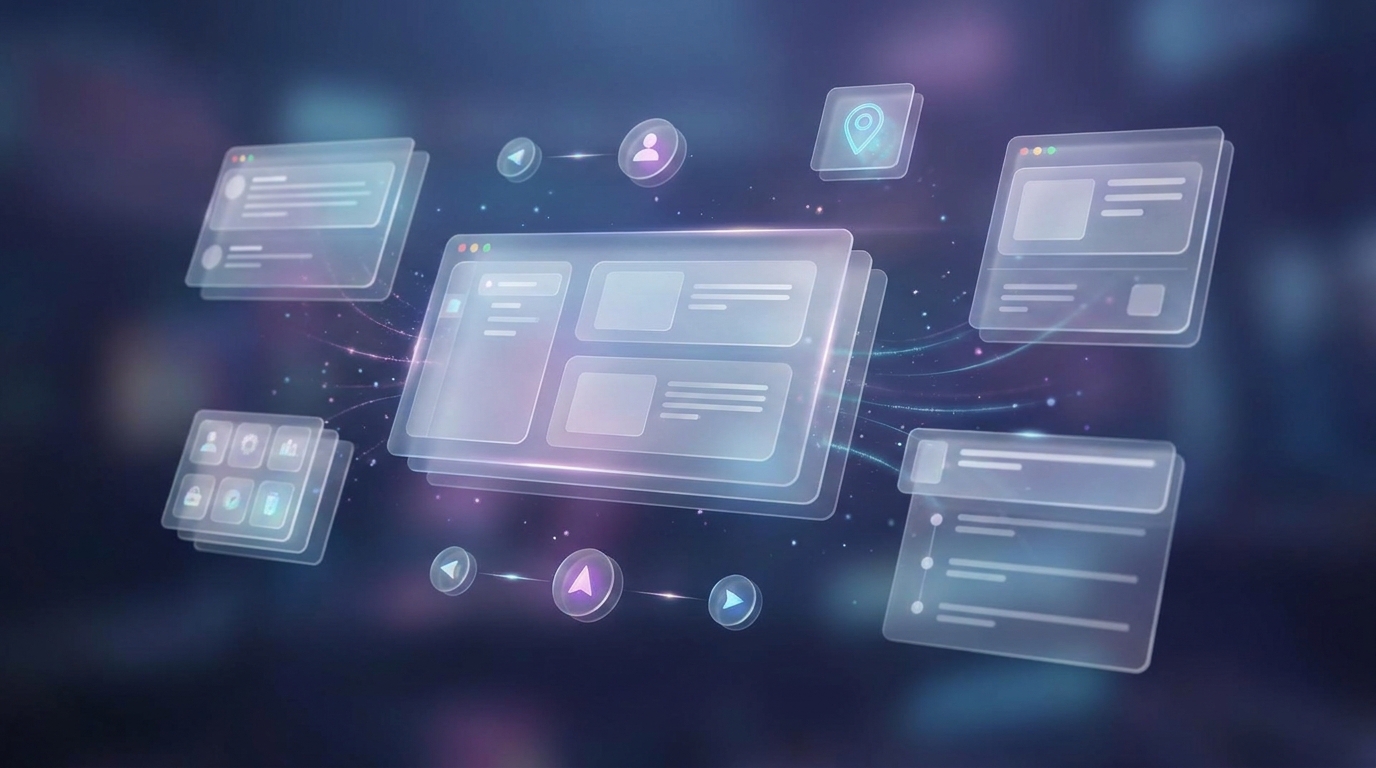
!aipowered website personalization show different content to users, product
User expectations have been permanently reshaped by platforms like Netflix, Amazon, and Spotify. These services use sophisticated algorithms to curate content, recommend products, and build playlists tailored to individual tastes. When a user leaves that hyper-personalized environment and lands on a generic website, the disconnect is jarring. Businesses that successfully implement personalization see an average sales uplift of 19%, demonstrating a clear ROI for moving beyond a static model.
How AI-Powered Website Personalization Works
At its core, AI personalization is a three-step process that combines data, intelligence, and dynamic delivery to create a seamless and relevant user journey. It’s a sophisticated system, but the underlying principles are straightforward.
1. Real-Time Data Collection
Personalization engines are fueled by data. AI algorithms collect and analyze various types of information to build a comprehensive profile of each visitor:
* Behavioral Data: This includes pages viewed, time spent on each page, clicks, scroll depth, and search queries. Understanding what a user is actively interested in is the most powerful signal for personalization. You can gather some of this data by learning how to use heatmaps to visualize user actions.
* Demographic & Geographic Data: Information like the user's location, language, and device type allows for basic but effective segmentation. For example, you can show prices in the local currency or display different seasonal promotions for users in different hemispheres.
* Contextual Data: This covers the traffic source (e.g., Google search, social media ad, email newsletter), the time of day, and whether the visitor is new or returning.
* Transactional Data: For e-commerce and SaaS, this includes past purchases, items in the cart, and subscription level.
2. AI & Machine Learning Analysis
This is where the magic happens. An AI engine processes the collected data points to identify patterns and create user segments. More advanced systems go beyond simple segments and build a unique profile for each individual visitor. The AI can then use predictive analytics to anticipate what content, product, or offer a user is most likely to respond to next.
For example, if a user has viewed three articles about SEO, the AI can predict they are interested in search optimization and dynamically feature an SEO-related case study on the homepage during their next visit.
3. Dynamic Content Delivery
Once the AI has determined the optimal content for a user, the website dynamically serves it. This isn't about creating thousands of different pages. Instead, a single page template is populated with different content blocks based on the user's profile. Elements that can be personalized include:
* Headlines and subheadings
* Hero images and videos
* Product recommendations
* Case studies and testimonials
* Call-to-action (CTA) buttons
* Promotional offers and pop-ups
Real-World Examples of AI Personalization in Action
Theory is one thing, but seeing personalization in practice reveals its true power across different industries.
E-commerce
This is the most common use case. Amazon's recommendation engine is legendary, reportedly driving over 35% of its sales. It analyzes your purchase history, items you've viewed, and what other similar users have bought to suggest products you're likely to want. This is a core strategy for success, as the modern e-commerce in the AI era demands more than a simple product grid. Data confirms this: 80% of consumers are more likely to buy from a brand that provides a personalized experience.
B2B and SaaS
Personalization is incredibly effective for B2B companies. A SaaS company can detect a visitor's industry via their IP address and customize the homepage accordingly. A visitor from a financial institution might see the headline "Secure Cloud Solutions for Banking," along with logos of other banking clients. This instantly builds relevance and trust, which is one of the most critical B2B website design principles.
Media and Publishing
News and content websites like The New York Times use personalization to combat content overload. By tracking a reader's history, they can surface articles and opinion pieces that align with their interests, increasing the likelihood that the user will stay on the site longer and eventually subscribe.
The Business Impact of Personalization
Implementing AI-powered website personalization isn't just about creating a cool user experience. It has a direct and measurable impact on your most important metrics.
* Increased Conversion Rates: According to McKinsey, personalization can lift revenues by 5-15% and improve marketing spend efficiency by 10-30%. By showing the right offer to the right person at the right time, you remove friction from the buying process.
* Higher Engagement & Lower Bounce Rates: When content is relevant, visitors stay longer. They explore more pages and interact more deeply with your brand, signaling to search engines that your site is valuable.
* Improved Customer Loyalty: A staggering 76% of consumers say they are more likely to buy from brands that personalize. It makes them feel understood and valued, fostering a stronger connection that goes beyond a single transaction.
* Actionable Data Insights: The process of personalizing your site generates a continuous feedback loop. You learn more about your audience with every interaction, and this data can be tracked in tools like Draftly Analytics to inform your broader marketing and product strategy.
How to Get Started with Website Personalization
Deploying a full-scale personalization strategy can seem daunting, but you can start small and build momentum. Here’s a simple framework to follow:
- Define Your Goals: What is the primary metric you want to improve? It could be increasing newsletter sign-ups, reducing shopping cart abandonment, or boosting demo requests. A clear goal will focus your efforts.
- Identify Key User Segments: Don't try to personalize for everyone at once. Start with broad, high-impact segments. A great starting point is creating different experiences for New vs. Returning Visitors.
- Map the User Journey: Identify the most critical pages for your goal. For an e-commerce site, this might be the homepage, category pages, and product pages. For a SaaS business, it could be the homepage, features page, and pricing page.
- Choose Your Technology: Historically, this required expensive, complex software. Today, modern platforms like Draftly are integrating AI-driven personalization directly into the website builder, making it accessible to businesses of all sizes without needing a team of developers.
- Launch Your First Test and Iterate: Start with a single, simple personalization. For example, change the homepage headline for returning visitors from a generic welcome to a message that acknowledges their loyalty, like "Welcome Back! Here's What's New." Measure the impact, learn from the results, and expand from there.
Ready to build a website that adapts to every user? Create your cinematic, AI-powered site with Draftly today.