You’ve seen it before. You click a link and your browser flashes a stark “Not Secure” warning. What’s your next move? If you’re like 82% of users, you hit the back button immediately. That single moment of hesitation is precisely why HTTPS and SSL matter for SEO rankings more today than ever before. It’s no longer a technical nice-to-have; it’s a foundational pillar of user trust and search visibility.
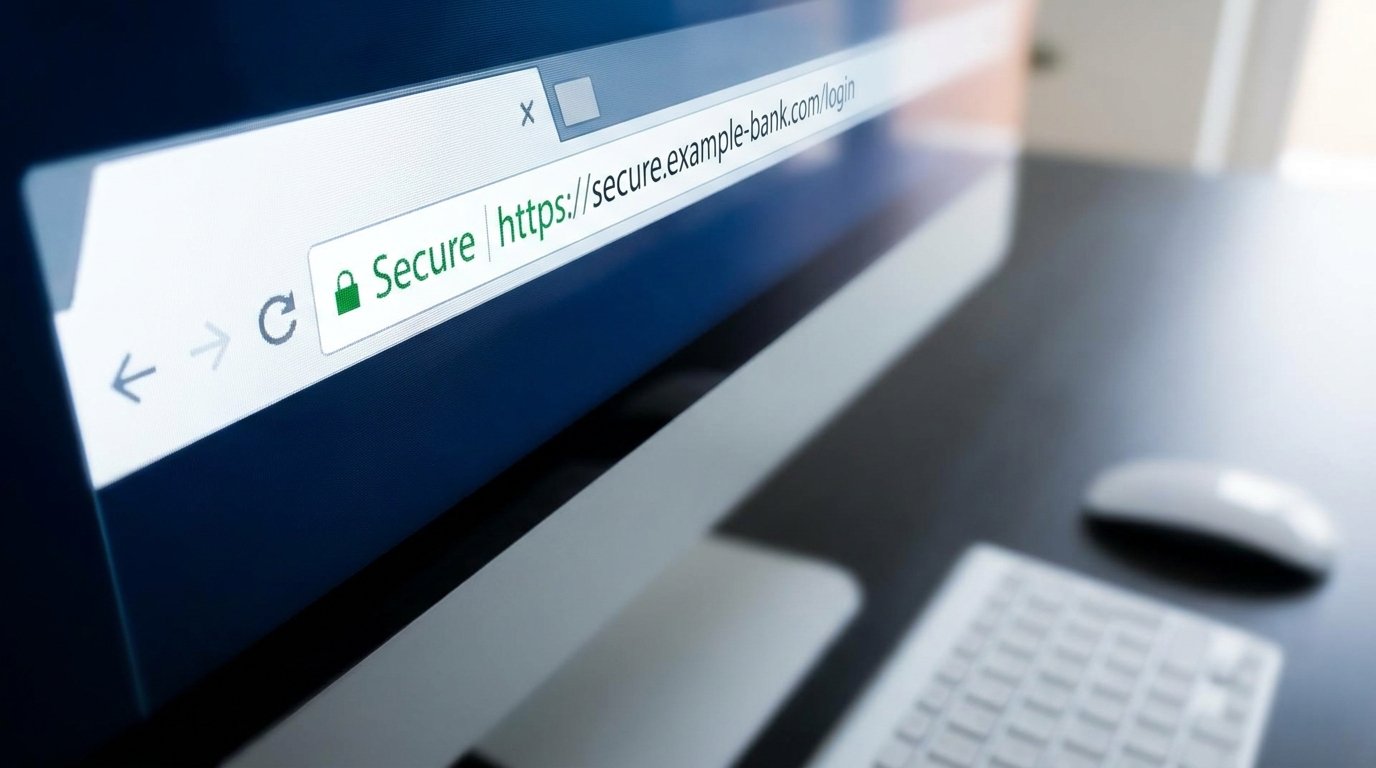
That little padlock icon in the address bar is a powerful symbol. It tells visitors their connection is private and their data is safe. For search engines like Google, it's a clear signal that your website is credible and professional. Without it, you're not just losing potential customers—you're actively telling Google that your site might not be the best or safest answer for its users.
The Alphabet Soup Explained: HTTPS vs. SSL/TLS
Before we dive into the SEO impact, let's quickly clarify the terms. They're often used interchangeably, but they refer to different parts of the same security process.
!https and ssl why they matter more than ever for seo rankings, seo
* SSL (Secure Sockets Layer): This was the original encryption protocol that created a secure channel between a user's browser and a web server. While the technology itself has been replaced, the term “SSL certificate” has stuck around in marketing and general use.
* TLS (Transport Layer Security): This is the modern, more secure successor to SSL. When you get an SSL certificate today, you are almost certainly using TLS technology. It's the industry standard for encrypting data in transit.
* HTTPS (Hypertext Transfer Protocol Secure): This is the result of using an SSL/TLS certificate. It's simply the standard HTTP protocol layered with security. The 'S' stands for 'Secure', and it's what triggers the padlock icon in a user's browser.
Think of it this way: SSL/TLS is the encryption technology—the armored vehicle. HTTPS is the secure protocol—the protected route the vehicle takes. Your data is the valuable cargo inside.
Why HTTPS and SSL Are Critical for SEO Rankings
For years, HTTPS was primarily associated with e-commerce sites and online banking. Today, it’s a universal requirement. Here’s the data-backed breakdown of its impact on your search performance.
Google Confirms It: A Direct Ranking Signal
Back in 2014, Google officially announced that HTTPS was a lightweight ranking signal. At the time, they stated it affected fewer than 1% of global queries. Fast forward to today, and that “lightweight” signal has become table stakes.
An analysis of over 11 million Google search results found that 99% of websites on the first page use HTTPS. The correlation is undeniable. While it won't catapult a low-quality page to the top spot, its absence will almost certainly hold a great page back. Google's core mission is to provide users with the best and most trustworthy results, and an unencrypted site fails the trust test at the first hurdle.
The User Trust Factor: Browser Warnings Kill Conversions
Modern browsers like Chrome, Firefox, and Safari have taken a hard-line stance against non-secure sites. They don't just hide the padlock; they actively warn users.
* The “Not Secure” Label: Chrome, which holds over 65% of the browser market share, explicitly labels all HTTP pages as “Not Secure.”
* Impact on User Behavior: As mentioned, 82% of users will leave an insecure site. This creates a massive spike in your bounce rate.
High bounce rates and low dwell time (the amount of time a user spends on your page) are powerful behavioral signals for Google. When a user clicks your link and immediately returns to the search results, it tells Google your page wasn't a good match for their query. This negative feedback loop can devastate your rankings over time. A secure site, on the other hand, provides immediate reassurance, encouraging users to stay, engage, and convert.
Data Privacy and E-E-A-T
Every time a user fills out a contact form, signs up for a newsletter, or enters login details, they are sharing personal information. On an HTTP site, this data is sent as plain text, making it vulnerable to interception. HTTPS encrypts this data, making it unreadable to anyone who might be snooping.
This is a cornerstone of Google's E-E-A-T (Experience, Expertise, Authoritativeness, and Trustworthiness) framework. A secure website is inherently more trustworthy. It shows you care about your users' privacy and security, which is essential for building authority in any niche. This is especially true with the rise of data protection laws; ensuring your site is compliant with GDPR and DPDP Compliance for Your Draftly Website is now a business and trust imperative.
Unlocking Modern Web Performance
Beyond being a direct signal, HTTPS is a prerequisite for many modern web technologies that indirectly boost your SEO.
HTTP/2 and HTTP/3: These are major revisions of the HTTP protocol that significantly improve website speed. They allow for multiplexing (loading multiple elements simultaneously over a single connection), which drastically reduces load times. Most browsers only* support these faster protocols over a secure HTTPS connection.
* Progressive Web Apps (PWAs): Features like offline access and push notifications rely on Service Workers, which require HTTPS to function.
* Browser APIs: Many modern browser features, such as the Geolocation API, are only available to secure origins.
Since website speed and SEO are directly linked, failing to implement HTTPS means you're locked out of performance enhancements that your competitors are using to get ahead.
How to Check Your Site and Implement SSL
Worried your site might not be secure? A quick check and a straightforward fix are all you need. All websites built with Draftly are automatically secured with HTTPS, but if you're using another platform, this is essential.
The 5-Second Security Check
- Open Your Website: Navigate to your site in any modern web browser.
- Look at the Address Bar: Check the area to the immediate left of your domain name.
- Check for the Padlock: If you see a solid padlock icon, your site is secure and using HTTPS. Congratulations!
- Look for a Warning: If you see a “Not Secure” message or a symbol of a broken padlock, your site is still on HTTP and needs to be updated.
Getting Your SSL Certificate
If your site isn't secure, you need to install an SSL/TLS certificate. This used to be a costly and complicated process, but it's now widely accessible.
* Free SSL from Your Host: Most reputable web hosts and builders now integrate with Let's Encrypt, a non-profit Certificate Authority, to provide free, auto-renewing SSL certificates.
* One-Click Installation: This is often a simple toggle in your hosting control panel or is handled automatically by your website builder.
* Redirect HTTP to HTTPS: Once SSL is active, you must ensure all traffic to the old `http://` version of your site is permanently redirected (using a 301 redirect) to the new `https://` version. This consolidates your SEO authority and prevents duplicate content issues. This is a key step in any technical SEO checklist.
HTTPS is no longer an optional upgrade. It's the cost of entry for earning user trust and achieving meaningful SEO rankings. It’s a clear, powerful signal to both humans and search engines that your website is professional, secure, and ready for business.
At Draftly, we handle this for you. Every site you create is automatically provisioned with an SSL certificate and served over HTTPS, so you can focus on your vision, not your security protocols.
Ready to build a website that's as secure and trustworthy as it is beautiful? Create your cinematic 3D website with Draftly today.