Adding a Contact Form to Your Draftly Website: A Step-by-Step Guide
Your website is more than a digital brochure; it's a powerful tool for connection and conversion. Without a clear pathway for visitors to reach you, even the most stunning 3D site risks becoming a dead end. This is where adding a contact form to your Draftly website becomes indispensable. A well-placed and optimized contact form transforms passive visitors into active leads, driving business growth and fostering client relationships.
Research indicates that websites with clear calls to action, like contact forms, experience significantly higher conversion rates, often ranging from 2% to 5% on average. For businesses, this translates directly into more inquiries, more sales opportunities, and a more robust customer base. Draftly simplifies this process, enabling you to integrate professional, lead-capturing forms seamlessly into your cinematic web experience.
Why a Contact Form is Essential for Lead Generation
A contact form serves as the digital handshake between your business and a potential client. It's the most direct and professional way for visitors to express interest, ask questions, or request services without leaving your site. Beyond basic communication, a contact form is a strategic asset for several reasons:
!adding a contact form to your draftly website a stepbystep guide, tutorials
1. Consistent Lead Capture
Unlike an email address, which can be forgotten or mistyped, a contact form provides a structured way to gather essential information. You define the fields, ensuring you receive precisely the data you need to qualify and follow up with leads effectively. This structured data is invaluable for sales teams and streamlines your customer relationship management (CRM) efforts.
2. Enhanced User Experience
Visitors appreciate convenience. A contact form eliminates the need to open an email client, copy addresses, and compose messages from scratch. This frictionless experience encourages more users to reach out. A study by HubSpot found that companies that respond to leads within five minutes are 21 times more likely to qualify them than those who wait 30 minutes or more. A direct contact form facilitates this speed.
3. Professionalism and Credibility
Including a dedicated contact form signals professionalism. It shows you're organized, accessible, and serious about engaging with your audience. For businesses, especially in sectors like finance or healthcare, trust is paramount. A secure, well-designed form contributes to this perception of reliability.
4. Spam Reduction
Directly displaying your email address on a website can invite spam bots. Contact forms often come with built-in spam protection, like CAPTCHAs or honeypot fields, which filter out unwanted messages, keeping your inbox clean and focused on genuine inquiries.
Adding a Contact Form to Your Draftly Website: Step-by-Step
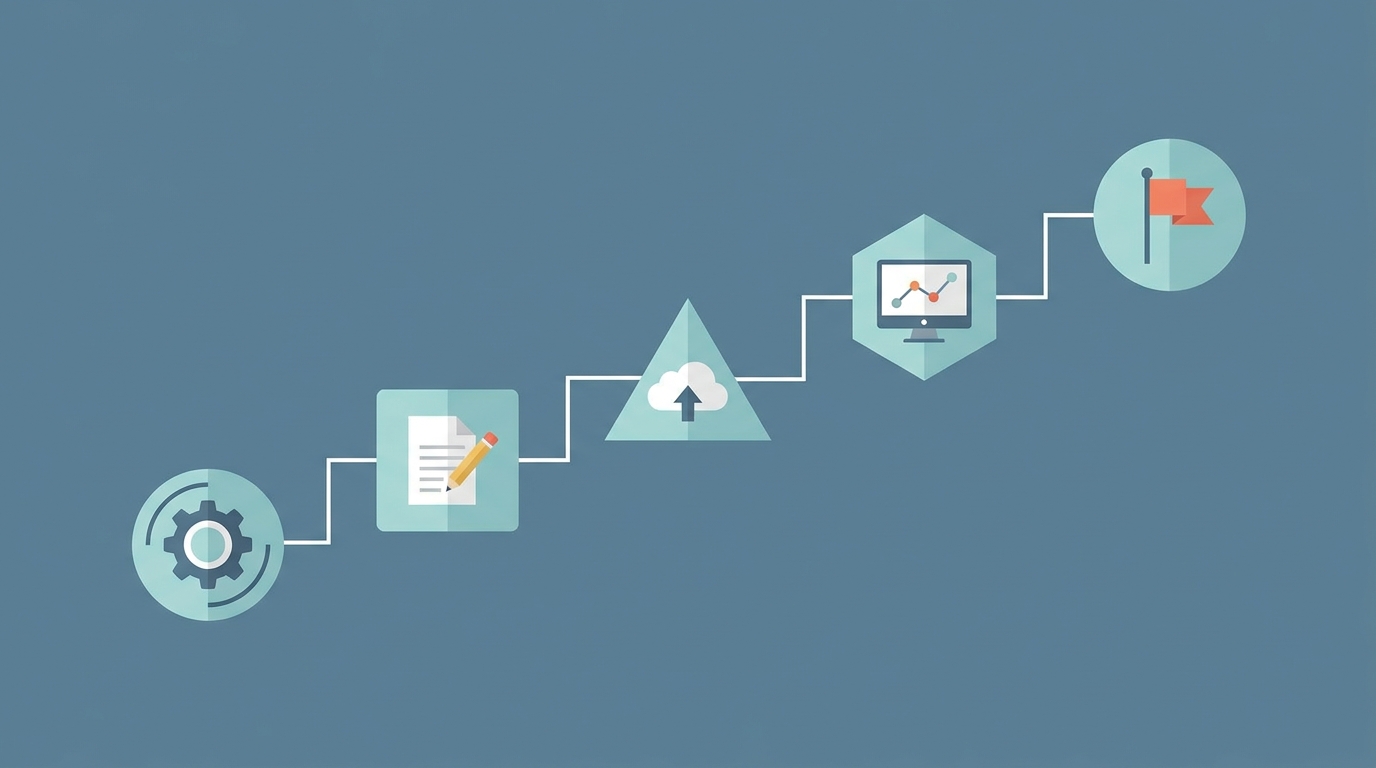
Draftly makes integrating a contact form straightforward, allowing you to focus on design and content rather than complex coding. Here’s how to get your form live in minutes:
- Open Your Draftly Project: Log in to your Draftly dashboard and select the website you wish to edit.
- Navigate to the Desired Page/Section: Decide where your contact form will reside. Common placements include a dedicated 'Contact Us' page or at the footer of your homepage. You can easily manage your site's structure with our Draftly Multi-Page Site Guide: Build a Complete Website Structure.
- Add a New Section: Click the "Add Section" button (usually a `+` icon) where you want to insert the form. This will open the Draftly Section Library.
- Select a Form Block: In the Section Library, look for the "Forms" category. Draftly offers various pre-designed form blocks, from simple contact forms to more complex lead capture templates. Choose the one that best fits your aesthetic and functional needs. You can explore the full range of options in the Draftly Section Library: Every Block and When to Use It.
- Insert the Block: Click on your chosen form block to add it to your page.
- Configure Form Fields: Once the form block is added, you'll see options to edit its fields. By default, you'll typically have fields for Name, Email, and Message. Click on each field to customize:
- Add or Remove Fields: Use the `+ Add Field` button to introduce new fields (e.g., phone number, company name, service interest). You can also delete existing fields if they're not relevant to your needs.
Customizing Your Draftly Contact Form
Beyond basic field configuration, Draftly provides robust customization options to ensure your contact form aligns perfectly with your brand and maximizes conversions.
Design and Styling
Your contact form should look like an integrated part of your website, not an afterthought. Draftly allows you to customize:
* Colors and Fonts: Adjust text, button, and background colors to match your How to Customise Fonts, Colors and Your Brand Kit in Draftly. Select fonts that maintain brand consistency.
* Layout: Modify the spacing, padding, and alignment of form elements. You can often choose between stacked fields or side-by-side arrangements.
* Button Text: Change the submission button text from a generic "Submit" to something more action-oriented like "Get a Free Quote," "Send My Inquiry," or "Book a Consultation." Clear, benefit-driven button copy can significantly impact conversion rates.
Success Messages and Redirects
What happens after a user submits the form is just as important as the form itself:
* Custom Success Message: Instead of a generic "Form submitted successfully," craft a personalized message. For example, "Thanks for reaching out! We'll be in touch within 24 hours." This reassures the user and sets expectations.
* Redirect to a Thank You Page: For a more professional touch, especially when tracking conversions, you can redirect users to a dedicated thank you page. This page can provide additional information, link to resources, or offer another call to action. This is a common strategy in Website Conversion Rate Optimisation: How to Turn Visitors into Customers in 2026.
Managing and Responding to Leads in Draftly
Capturing leads is only half the battle; effective management and timely responses are crucial for conversion. Draftly offers integrated tools to help you stay on top of your inquiries.
Draftly Leads Dashboard
All submissions from your Draftly contact forms are automatically collected and stored in your centralized Using the Draftly Leads Dashboard to Manage and Convert Inquiries. This dashboard provides a clear overview of all your inquiries, including:
* Submission Details: View the date, time, and all the information submitted through the form.
* Lead Status: Track the progress of each lead (e.g., New, Contacted, Qualified, Converted).
* Notes and Tags: Add internal notes, assign leads to team members, or categorize them with tags for better organization.
Regularly checking your Leads Dashboard ensures no inquiry falls through the cracks. It acts as a mini-CRM, helping you nurture leads efficiently.
Email Notifications
To ensure you never miss a new lead, Draftly can send instant email notifications whenever a form is submitted. You can configure these notifications to go to specific email addresses, ensuring the right team member receives the alert immediately. Setting up Draftly Email Notifications: Never Miss a Lead is a quick process that keeps your team informed and enables rapid follow-up, which is critical for lead conversion.
Integrations (Coming Soon)
For businesses with more advanced CRM needs, Draftly is continuously working on integrations with popular third-party marketing and sales tools. This will allow you to automatically push lead data from your Draftly forms directly into your existing CRM, email marketing platform, or project management software, further automating your workflow.
Best Practices for High-Converting Contact Forms
An effective contact form isn't just about functionality; it's about psychology and user experience. Implement these best practices to boost your form's conversion rates:
1. Keep it Concise
Every additional field on a form can decrease conversion rates. Only ask for essential information. Research from Formstack shows that reducing the number of form fields from 11 to 4 can increase conversions by 120%. Start with Name, Email, and Message. If you need more, ensure each field serves a clear purpose.
2. Clear and Compelling Call to Action (CTA)
The button text should clearly state what happens next and offer a benefit. Instead of "Submit," try "Request a Demo," "Get Your Free Quote," or "Start My Project." The clearer the CTA, the more likely users are to click.
3. Mobile Responsiveness is Non-Negotiable
Over 60% of website traffic worldwide comes from mobile devices. Your contact form must be fully responsive and easy to use on smartphones and tablets. Draftly's AI-powered builder ensures your forms are mobile-friendly by default, but always test it on various devices to confirm a smooth experience. This aligns with overall Mobile-First Web Design in 2026: Why 80% of Your Indian Visitors Are on Their Phone principles.
4. Reassure Users About Privacy
In an era of data privacy concerns, explicitly state that user information will be kept confidential. A simple line like "We respect your privacy. Your information will not be shared with third parties" can significantly increase trust and form submissions. Link to your Privacy Policy page if available.
5. Use Visual Cues and Error Messages
Clear labels, placeholder text, and intuitive error messages guide users through the form. If a field is incomplete or incorrect, provide immediate, helpful feedback rather than a generic error. For example, "Please enter a valid email address" is more useful than "Error."
6. Test Your Form Regularly
Before and after publishing, always test your contact form. Submit a test entry to ensure it's functioning correctly, sending notifications, and capturing data in your Leads Dashboard. This proactive approach prevents missed opportunities.
Conclusion
Adding a contact form to your Draftly website is more than a technical step; it's a strategic move to unlock your site's full potential as a lead-generation machine. By following these steps and implementing best practices, you can create a seamless, efficient, and high-converting pathway for your audience to connect with your business. Don't let your stunning 3D website be a one-way street – open the door to engagement and growth with a powerful contact form.
Ready to transform your website visitors into valuable leads? Start building your Draftly website with a custom contact form today.