Why 3D Animated Retail Catalogs Are Essential for India’s Handloom Cooperatives
India’s handloom cooperatives, representing over 4.33 million weavers, face a critical challenge: standing out in a global market while preserving their cultural heritage. 3D animated retail catalogs provide a transformative solution by showcasing intricate designs with unmatched interactivity. By blending tradition with technology, they empower cooperatives to boost exports, attract younger audiences, and increase sales.
The Challenges Facing India’s Handloom Cooperatives
Indian handloom cooperatives operate in a highly competitive space. Despite contributing to 15% of the country’s cloth production, many suffer from outdated marketing strategies and limited digital presence.
!why 3d animated retail catalogs are essential for indias handloom cooperatives, india
- Global competition: Countries like China and Bangladesh often undercut Indian handloom prices.
- Limited visual appeal online: Static images fail to capture the detailed craftsmanship of handwoven products.
- Generational disconnect: Younger consumers, who drive 55% of online purchases, are less engaged by traditional marketing methods.
How 3D Animated Catalogs Revolutionize Handloom Marketing
Bringing Weaves to Life
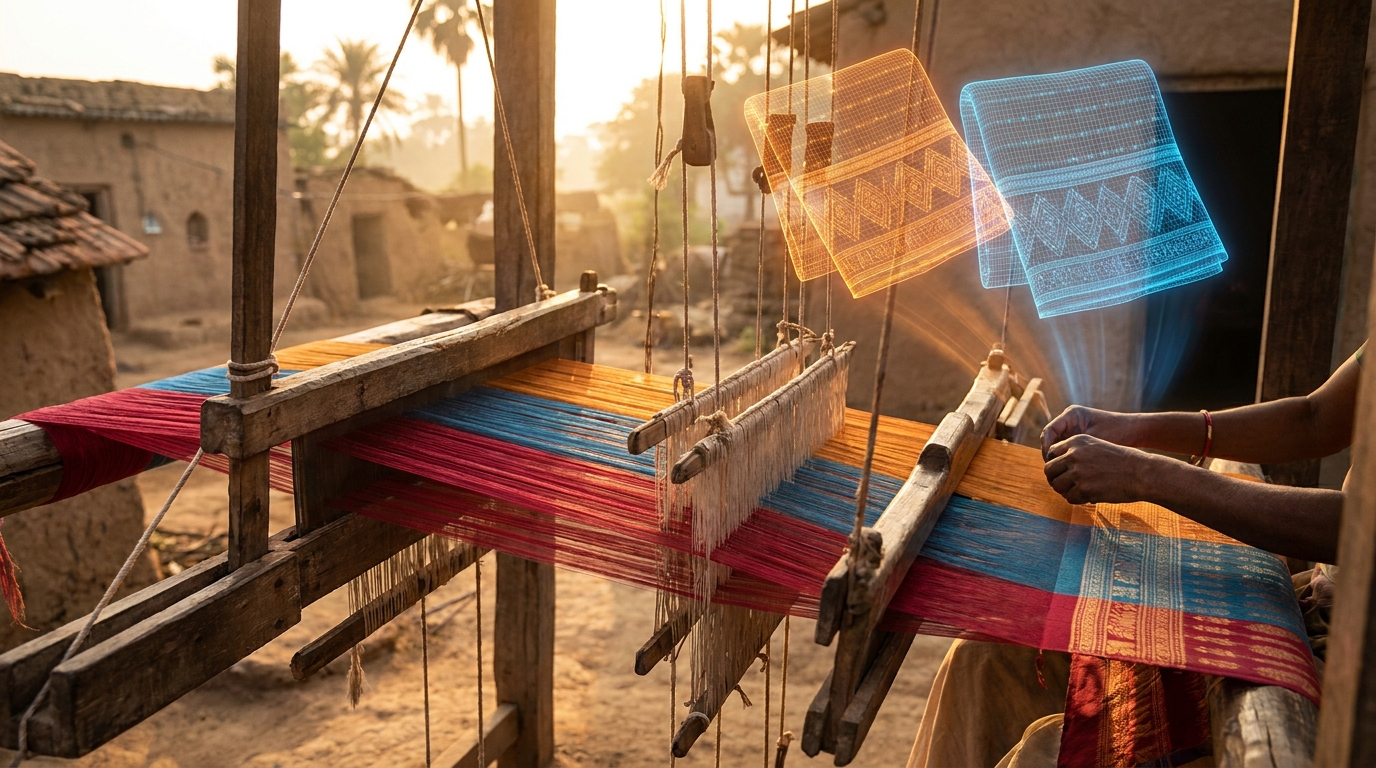
Traditional weaves like Banarasi silk or Pochampally ikat rely heavily on their intricate patterns and textures. Static images simply do not do them justice. 3D animation offers:
- 360-degree product views: Customers can explore every angle of the fabric, observing its texture and shine.
- Zoom functionality: Buyers can inspect micro-details, such as threadwork and embroidery.
- Contextual displays: Showcase sarees on virtual models or tablecloths in home settings, enhancing purchase confidence.
Boosting Export Potential
India’s handloom exports were valued at $350 million in 2022, but the lack of interactive digital tools limits further growth. With 3D catalogs:
- Buyers abroad can make informed decisions: Exporters can demonstrate fabric quality without physical samples.
- Reduced returns: Accurate visual representation minimizes buyer dissatisfaction, cutting return rates by up to 40%.
- Better storytelling: Integrate cultural narratives into the catalog, such as the origins of a weave or ethical labor practices.
Cost-Effective and Scalable Solutions
Contrary to perception, creating 3D animated catalogs is now more accessible than ever. Tools like Draftly’s AI-powered platform enable cooperatives to create high-quality catalogs without hiring expensive designers.
- Affordable entry: AI tools reduce costs by up to 70% compared to manual 3D modeling.
- Scalability: Once created, 3D models can be reused across e-commerce platforms, social media, and trade shows.
- Quick turnaround: A single prompt can generate a detailed catalog in minutes, as demonstrated in Draftly’s 3D builder.
Case Example: Tamil Nadu’s Weaving Communities
A handloom cooperative in Tamil Nadu adopted 3D animated catalogs to showcase their vibrant Kanchipuram silk sarees. Within six months:
- Export inquiries increased by 45%.
- Website bounce rates dropped by 30%, as visitors spent more time exploring interactive features.
- Social media engagement doubled, driven by shareable 3D visuals.
Attracting Younger Audiences with Immersive Experiences
India’s Gen Z and millennial shoppers expect more than just functional websites. They value experiential shopping, which 3D catalogs deliver.
- Gamification: Allow users to mix and match fabrics with outfit simulations.
- Virtual try-ons: Customers can see how stoles or dupattas look when draped.
- Personalized recommendations: AI can suggest complementary products based on user preferences.