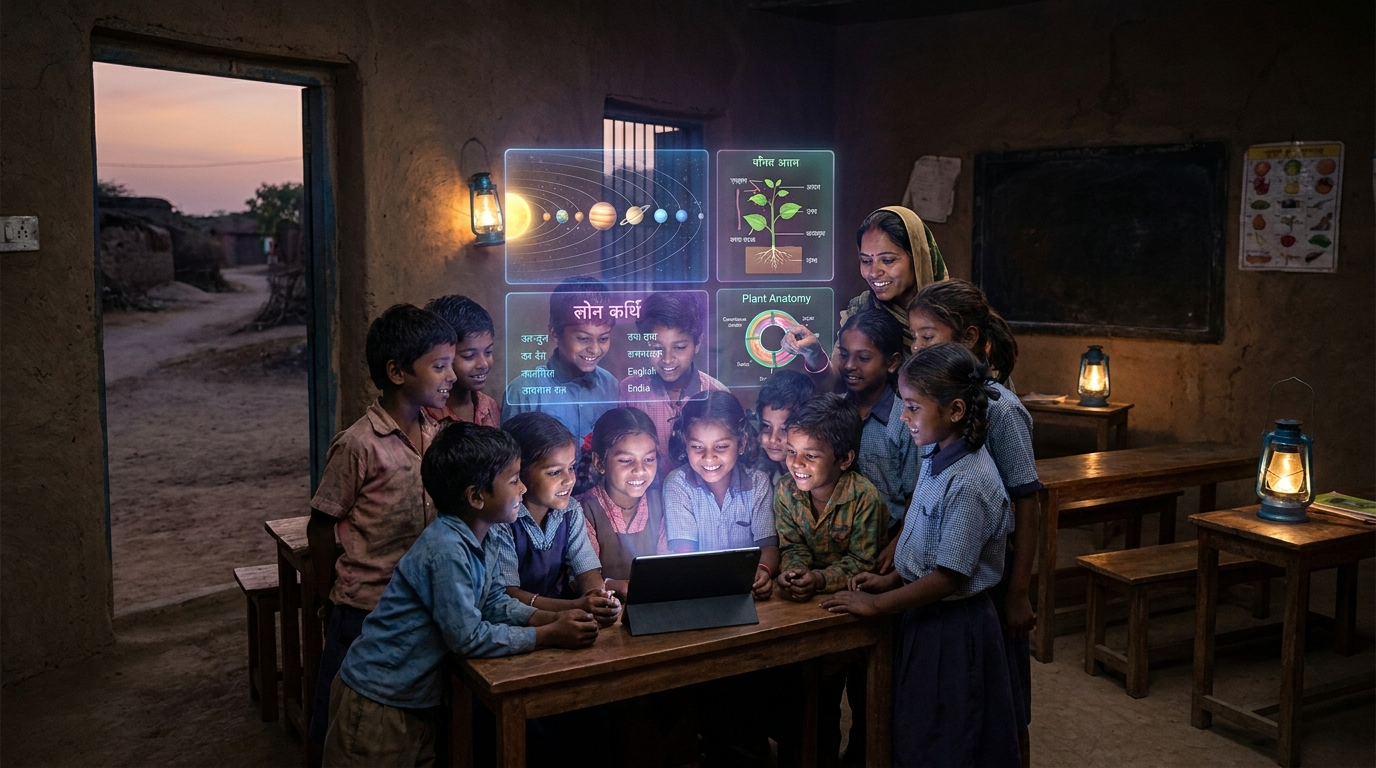
How 3D Course Pages Are Bridging Education Gaps in India's Rural Areas
India’s rural education system has long been challenged by limited access to quality resources, skilled teachers, and infrastructure. But 3D course pages, powered by AI and immersive technology, are emerging as a revolutionary solution. By creating interactive, visually dynamic learning experiences, these pages are not only engaging students but also bridging the education divide across rural India.
The Current State of Rural Education in India
India has over 600,000 villages, where approximately 65% of the population resides. According to the 2021 Annual Status of Education Report (ASER), only 35% of rural students in Class 5 could read a Class 2-level text. Challenges include:
!how 3d course pages are bridging education gaps in indias rural areas, industry
- Lack of trained educators, with 20% of teaching positions unfilled in rural schools
- Poor infrastructure: 27% of schools lack functional computers
- Limited access to supplementary educational resources
Why 3D Course Pages Are a Game-Changer
Immersive and Engaging Content
Unlike static videos or PDFs, 3D course pages use interactive animations and gamified learning. For example, a 3D biology module can let students virtually dissect a frog, making abstract concepts tangible.
- A study by KPMG found that interactive 3D learning improves retention by 25%
- Students spend up to 40% more time engaging with 3D course content compared to traditional e-learning materials
Multilingual Accessibility
India’s linguistic diversity is vast, with over 1,600 dialects spoken nationwide. 3D course pages can integrate multilingual voiceovers and text, catering to local language needs. Platforms like Draftly enable the creation of multilingual websites effortlessly, ensuring inclusivity.
Mobile-First Design for Rural Connectivity
With 74% of internet users in rural India accessing the web via mobile, 3D course pages are designed to be mobile-first. Lightweight animations and optimized designs ensure fast loading, even on 3G networks. Learn more about optimizing 3D visuals for slower internet.
Real-World Examples of Impact
Transforming Science Education in Bihar
In Bihar, a pilot project introduced 3D course pages for Class 9 science students. Key outcomes included:
- 30% improvement in exam scores within one academic year
- Increased class attendance from 70% to 85%
- Positive feedback from 90% of students who found the lessons “easier to understand”
Skill Development in Karnataka
A vocational training NGO in Karnataka used 3D course pages to teach plumbing and electrical skills. Interactive simulations allowed trainees to practice complex tasks virtually. As a result:
- 65% of trainees secured jobs within 3 months
- Employers reported higher satisfaction with the trainees’ practical skills
How to Build Effective 3D Course Pages
Creating impactful 3D course pages requires a strategic approach:
- Understand Student Needs: Conduct surveys to identify gaps in local education.
- Leverage AI Tools: Platforms like Draftly simplify the creation of 3D interactive tools for education.
- Optimize for Mobile: Ensure pages load quickly and adapt to low-bandwidth conditions.
- Incorporate Local Languages: Use multilingual support to address linguistic diversity.
- Pilot and Iterate: Test with small groups before scaling up, using student feedback for improvement.