How Immersive 3D Design is Revolutionizing Indian NGO Impact Reports
When was the last time an NGO impact report left you inspired? For many, these documents feel like dry, text-heavy PDFs. But in India, NGOs are turning to immersive 3D design to craft impact reports that not only inform but also engage and inspire. This transformation is more than a design trend—it's reshaping how NGOs communicate transparency and outcomes.
Why Traditional Impact Reports Fall Short
Traditional NGO impact reports often rely on static formats like PDFs or slideshows. While these formats can include charts and images, they lack interactivity and fail to deeply connect with donors and stakeholders.
!how immersive 3d design is revolutionizing indian ngo impact reports, industry
- 73% of donors say they prefer visual storytelling over text-heavy reports (Source: M+R Benchmarks).
- Static reports often fail to convey the tangible outcomes of NGO projects.
- They lack the ability to showcase real-time updates or granular, interactive data.
The Impact of 3D Design on NGO Transparency
What is 3D design in impact reporting? It’s the use of interactive, visual-driven storytelling to showcase key metrics, donor contributions, and project outcomes in a dynamic, engaging way.
- Real-Time Data Visualization: With 3D charts and graphs, NGOs can offer live updates on fund allocation and project milestones. Adding 3D Animated Charts and Graphs to Your Draftly Site can simplify this process.
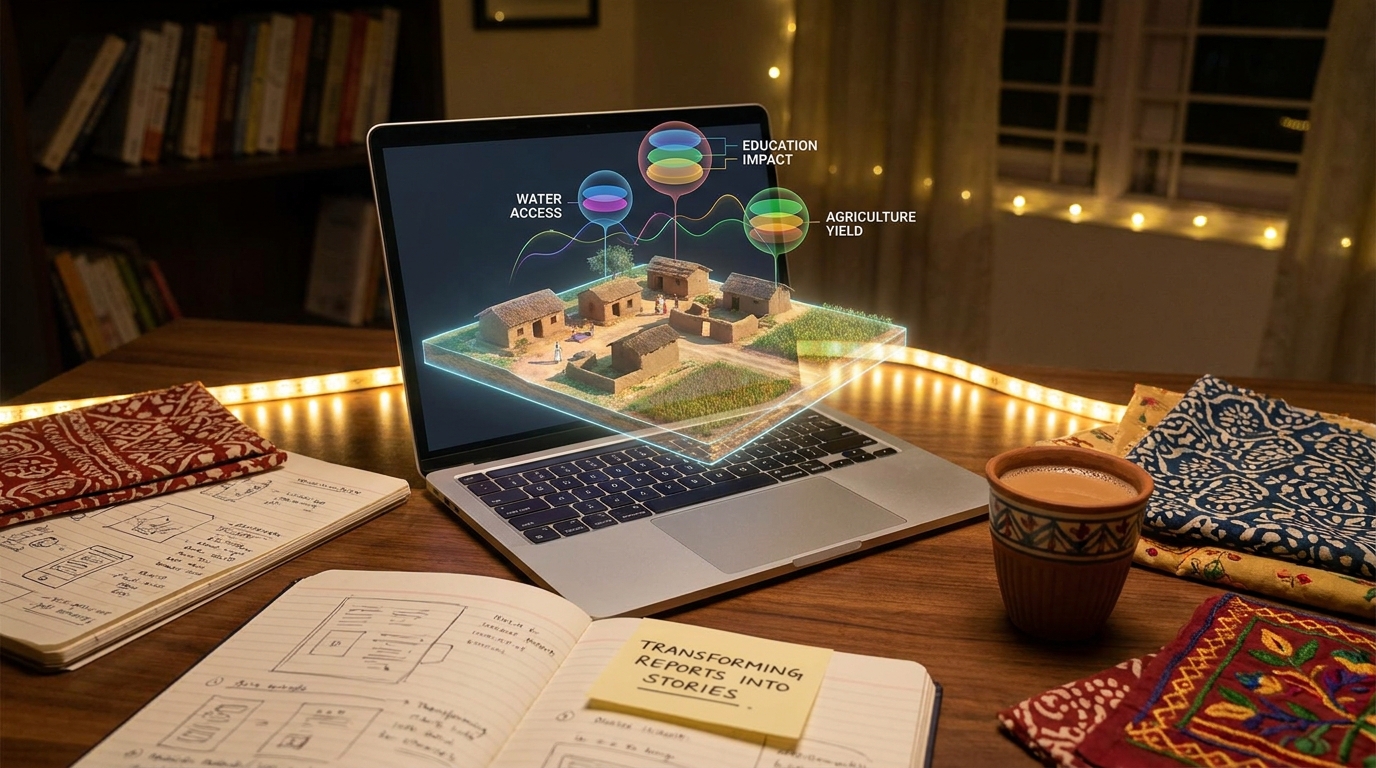
- Enhanced Storytelling: Move beyond text to visual narratives. Imagine zooming into a 3D model of a community center built with donations—this level of detail builds trust.
- Transparency at Scale: Interactive tools allow donors to drill down into specific data points, offering clear visibility into how funds are utilized.
How Indian NGOs Are Using 3D Websites to Engage Donors
The Indian NGO sector, valued at over ₹1 trillion, competes fiercely for donor attention. Here’s how 3D websites and reports are making a difference:
Examples of 3D-Driven Impact Reports
- Before-and-After Comparisons: A 3D rendering of a village before and after a water sanitation project can vividly showcase progress.
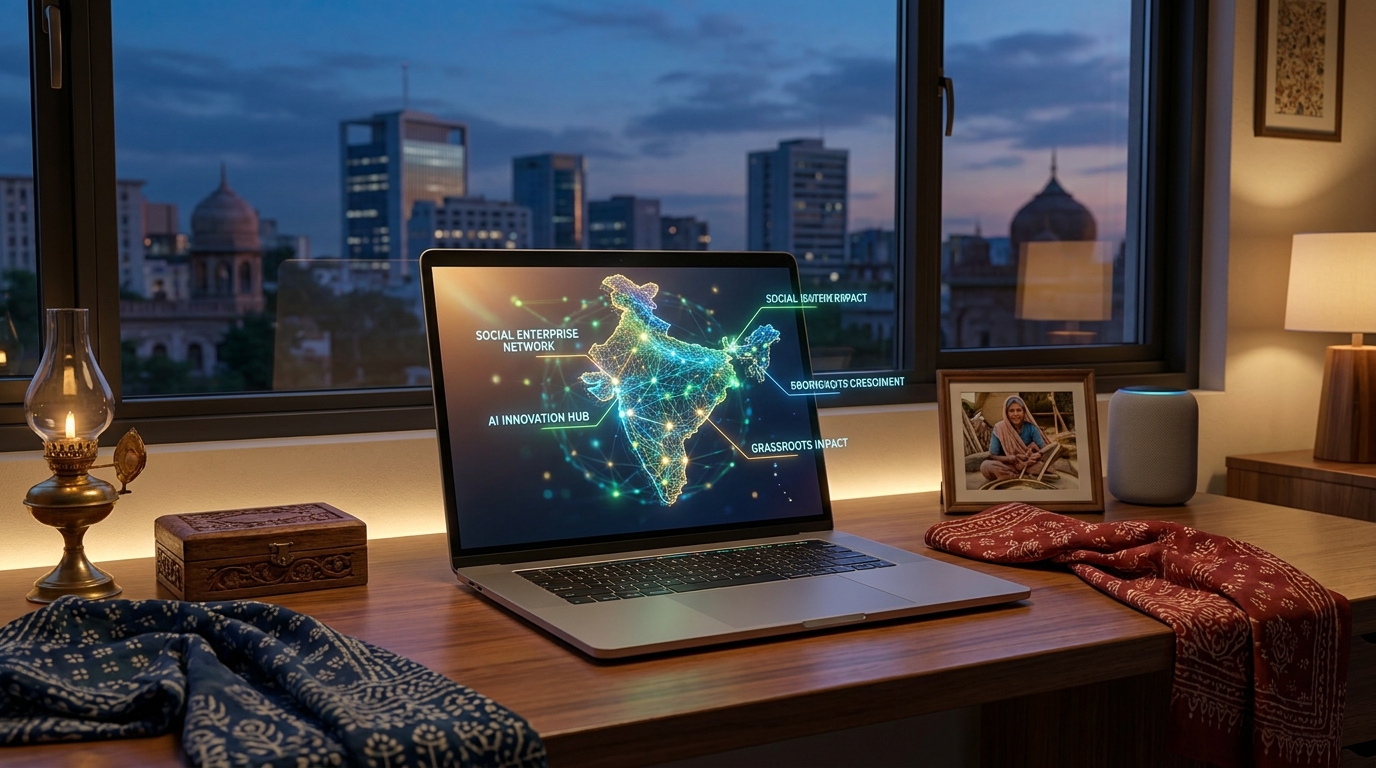
- Interactive Maps: Highlighting areas of impact using 3D interactive maps allows donors to explore regions and specific initiatives.
- Virtual Walkthroughs: NGOs can create virtual tours of schools, hospitals, or community centers built through donations, giving stakeholders a real sense of the transformation.
Key Benefits for Donor Engagement
- Increased Transparency: 3D visuals make it easier to demonstrate exactly where and how funds are spent.
- Emotional Connection: 3D storytelling taps into emotions, inspiring donors to contribute again.
- Broader Reach: With mobile-first designs, these reports can cater to a wider audience, including younger, tech-savvy donors. Learn more about the importance of mobile-first design.
The Draftly Advantage for Indian NGOs
Building 3D impact reports might seem daunting, but tools like Draftly simplify the process. Here's how:
- Draftly's AI-powered tools automate the creation of 3D visualizations and animations.
- Pre-designed templates from the Draftly Section Library make it easy to showcase data in engaging ways.
- Features like scroll-triggered animations boost user interaction and time spent on reports.
Challenges and Solutions in Adopting 3D Design
While the benefits of 3D design are clear, NGOs often face barriers to adoption:
Common Challenges
- Budget Constraints: Many Indian NGOs operate on tight budgets.
- Technical Expertise: Teams may lack the skills needed to create 3D visuals.
- Bandwidth Issues: India’s rural areas often have limited internet capabilities.
How to Overcome These Challenges
- Use AI Tools: Platforms like Draftly reduce the need for technical expertise, allowing NGOs to build 3D reports with a single prompt.
- Optimize for Low Bandwidth: Learn how to optimize 3D visuals for rural internet speeds.
- Leverage Partnerships: Collaborate with tech companies that offer discounted or free tools for non-profits.
The Future of 3D Impact Reporting for NGOs
The shift toward 3D-driven impact reporting is just beginning. As more NGOs adopt this technology, we can expect:
- Greater donor retention due to improved trust and transparency.
- Wider reach to younger, tech-savvy audiences.
- More effective storytelling, particularly for causes like climate change and education.