3D Websites for Indian NGOs: Creating Transparency with Immersive Storytelling
Indian NGOs face a persistent challenge: how to earn and maintain the trust of donors, stakeholders, and beneficiaries. Transparency is at the heart of this challenge, as donors increasingly demand to see tangible results of their contributions. Enter 3D websites, a cutting-edge digital solution that helps NGOs showcase their work through immersive storytelling.
Why Transparency Is Essential for Indian NGOs
Transparency isn’t just a buzzword; it’s a critical factor for NGOs that depend on public trust for funding and support. A study by the Charities Aid Foundation revealed that 70% of donors are more likely to give if they see measurable impact. With over 3.4 million NGOs registered in India, standing out requires more than just good intentions.
!3d websites for indian ngos transparency through immersive storytelling, industry
- Donors prioritize organizations that clearly articulate their impact.
- Beneficiaries need to understand how they’ll be supported.
- Transparency fosters accountability and attracts long-term partnerships.
How 3D Websites Enhance Storytelling for NGOs
3D websites transform the way stories are told by moving beyond static images and text. They offer interactive visuals, animations, and dynamic layouts that make a lasting impression.
Key Benefits of 3D Websites for NGOs
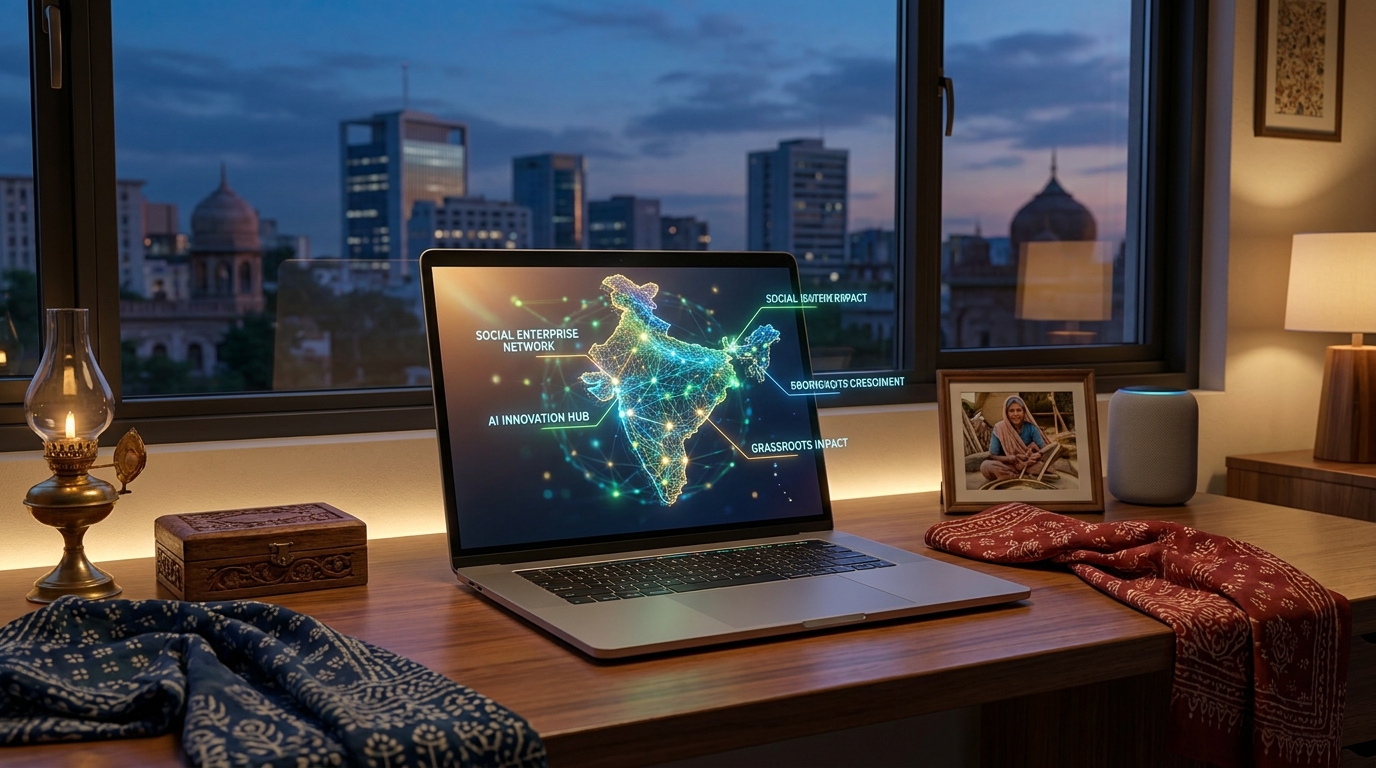
- Showcase Impact in Real-Time: Imagine a 3D map on your website, pinpointing where donations are being used, updated in real-time. Learn how 3D visual storytelling can amplify your message.
- Create Immersive Donor Journeys: A scroll-driven website can walk donors through a virtual tour of your projects, from the problem to the solution.
- Build Emotional Connections: 3D animations can depict stories of real people whose lives have been changed, delivering an emotional punch that encourages action.
Example: 3D Website for Rural Development
A rural development NGO in Maharashtra launched a 3D website to highlight its work in water conservation. The website features an interactive 3D model of a typical village showing water scarcity before and after their intervention. Donors can virtually "walk" through the village, see testimonials from villagers, and understand how their funds were used.
This approach led to a 40% increase in donor retention and a 25% rise in new contributions.
Best Practices for NGOs Using 3D Websites
Creating a 3D website for an NGO isn’t just about adding flashy animations. It’s about using technology purposefully to enhance transparency and engagement.
- Use Data Visualizations: Incorporate 3D animated charts and graphs to display year-on-year impact metrics.
- Highlight Success Stories: Dedicate sections to personal stories of change, complemented by immersive visuals.
- Optimize for Speed: Follow our 3D website loading speed guide to ensure your site works across devices, especially in areas with slower internet speeds.
- Add Interactive Campaigns: Use scroll-driven animations to guide visitors through fundraising campaigns, similar to 3D crowdfunding landing pages.
Draftly: Simplifying 3D Website Creation for NGOs
With traditional web development, creating a 3D website can be expensive and time-consuming. This is where AI-powered tools like Draftly come in. Draftly’s 3D website builder can generate an entire website from a single prompt, saving NGOs time and resources.
- Ready-Made 3D Templates: Draftly offers NGO-specific templates that can be customized in minutes. Here’s how to customize fonts, colors, and your brand kit in Draftly.
- Interactive Elements: Add features like 3D maps, progress bars, and donation counters to make your site more engaging.
- Mobile-First Design: Ensure your website is accessible on all devices. Here’s how Draftly handles mobile responsiveness.