How to Use Draftly's Advanced Animation Options to Tell Better Brand Stories
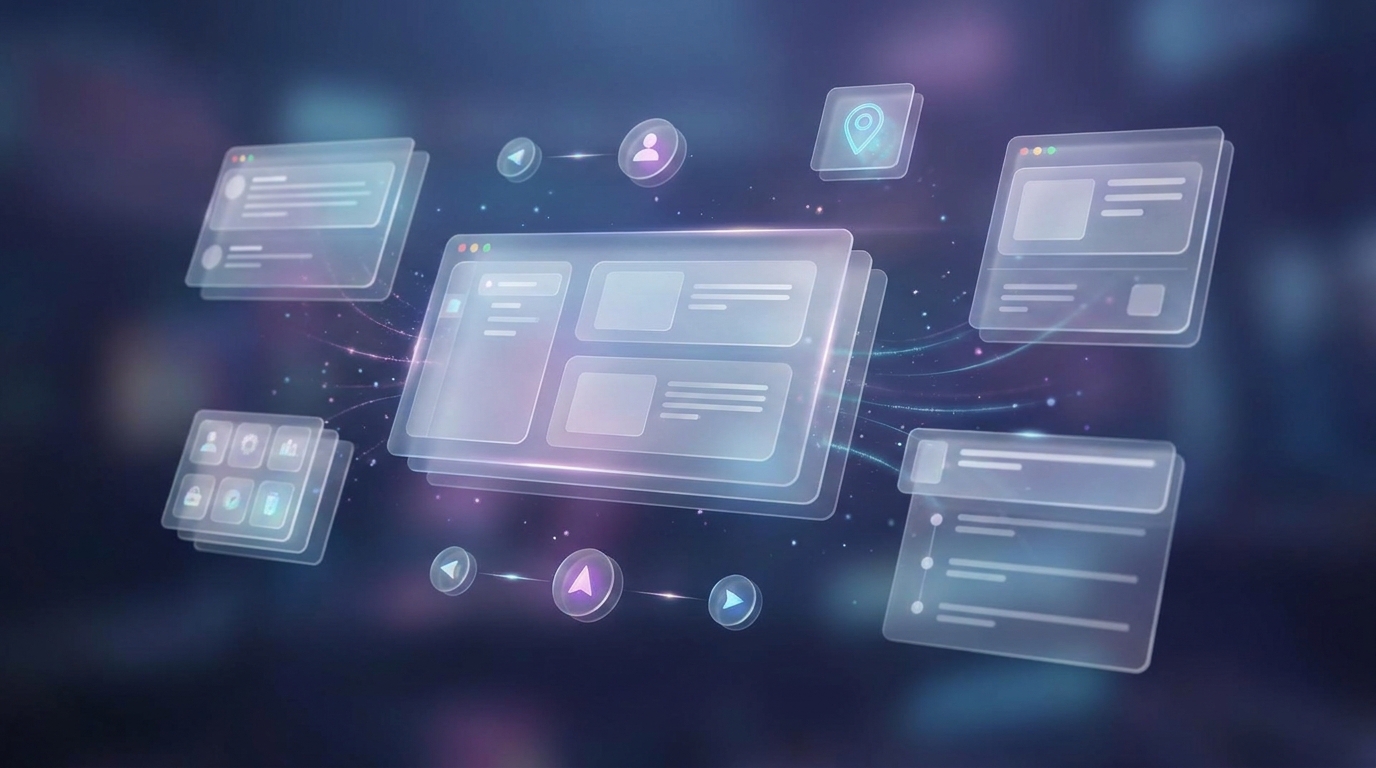
Storytelling is a powerful tool for brands, and Draftly's advanced animation options make it easier than ever to craft compelling, scroll-driven narratives. By combining cinematic effects with interactive elements, you can elevate your website to keep users engaged longer and drive action.
Why Animations Matter for Brand Storytelling
Animations are more than just eye candy—they enhance user experience and improve engagement. Research shows websites with animations can increase time on page by up to 60% compared to static designs.
!how to use draftlys advanced animation options to tell better brand stories, product
- Visual Engagement: Animations direct user attention to key sections.
- Memorable Experiences: Motion enhances recall by up to 39%, making your brand message stick.
- Conversions: Scroll-triggered animations have been shown to boost click-through rates by 25%.
Step-by-Step: Using Draftly’s Advanced Animation Tools
1. Define Your Brand Narrative
Your animations should align with your brand's message. Start by asking:
- What emotion do you want to evoke? (e.g., excitement, trust, curiosity)
- What story are you trying to tell? (e.g., product journey or customer success)
2. Select Animation Types in Draftly
Draftly offers multiple animation types tailored for storytelling:
- Scroll-Triggered Animations: Perfect for guiding users through a narrative as they scroll.
- Section Transitions: Smoothly connect different parts of your story.
- Hover Effects: Add interactivity to call-to-action buttons or product images.
3. Apply Animations to Key Sections
Focus on the most impactful parts of your website, such as:
- Hero Sections: Include fade-ins or parallax effects to grab attention immediately.
- Product Features: Use hover reveals to display additional details.
- Testimonials: Add subtle motion to highlight customer success stories.
4. Customize Animation Timings and Triggers
Draftly allows you to fine-tune:
- Speed: Adjust to match the tone of your storytelling.
- Delays: Create suspense by staggering animations.
- Triggers: Use scroll depth or button clicks to activate animations.
Best Practices for Using Animations Effectively
Keep It Subtle
Overusing animations can overwhelm users. Stick to 1-2 animations per section to maintain focus.
Optimize for Speed
Animations shouldn’t slow down your site. Compress assets and test performance using tools like Draftly Site Speed Optimization.
Test and Iterate
Use A/B testing to measure the impact of animations. For example:
- Test pages with and without animations.
- Measure metrics like bounce rate and conversions.
- Optimize based on data.
Real-World Examples of Effective Animation
Example 1: E-Commerce Product Launch
An apparel brand used scroll-triggered animations to unveil each layer of a new jacket. Result: a 15% increase in add-to-cart rates.
Example 2: Non-Profit Impact Visualizations
An NGO used section transitions to showcase before-and-after photos of their work. Result: a 20% spike in donations.
Example 3: SaaS Demo Pages
A SaaS startup used hover effects on product features to encourage trial signups. Result: a 30% lift in conversions. See How SaaS Companies Use 3D Websites.